In a dye house off Horikawa-dōri, every noragi, hanten and hakama goes into a living indigo vat twenty times before it is sewn. A slow read on how the blue gets all the way through, and how to wear it in.
IA house on Horikawa
Chapter one 生成りFour vats sunk in an earthen floor, and the leaf they are built from.
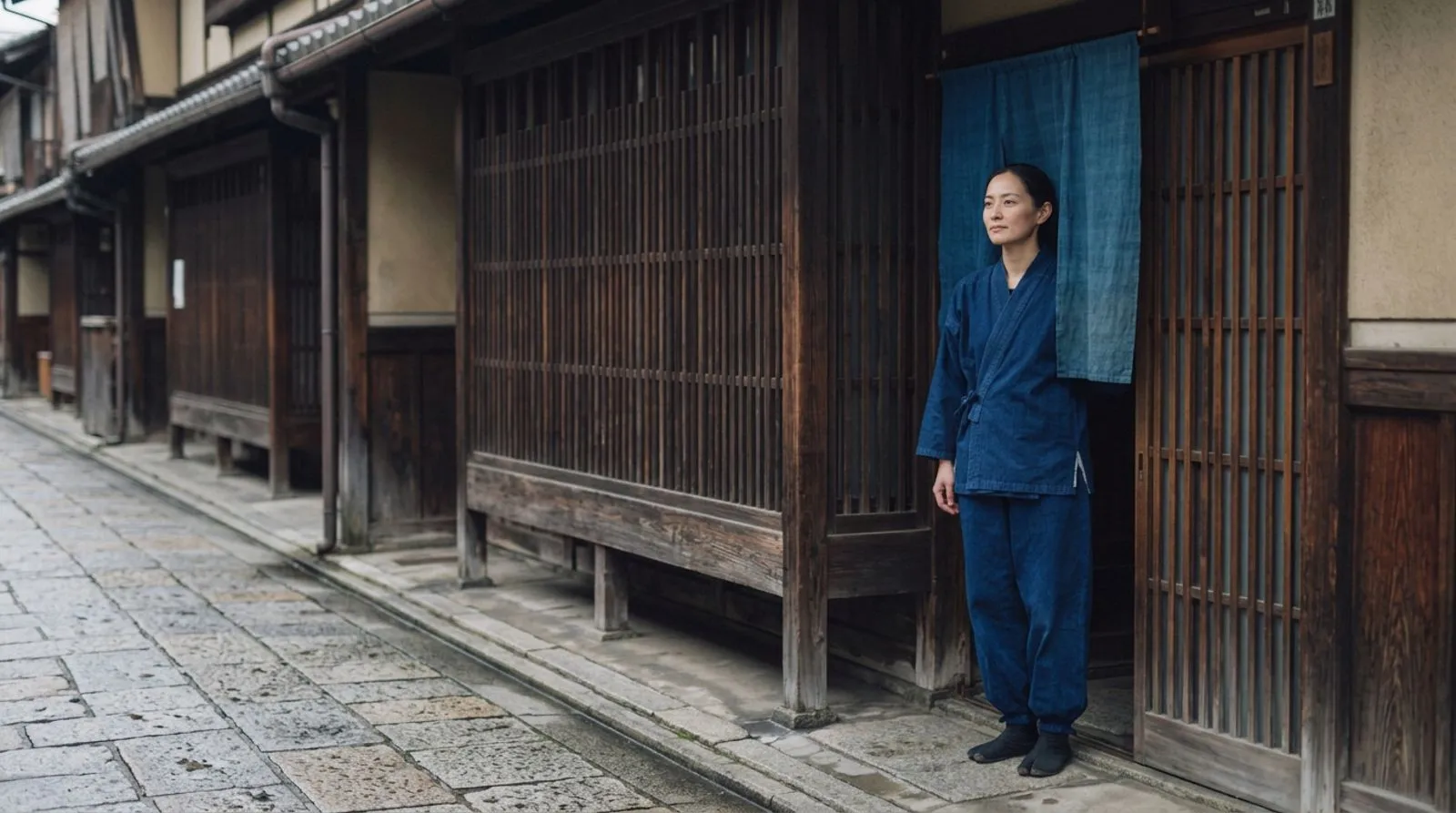
The dye house has no sign. You find it by the doorstep, which has been splashed so often that the stone has gone the blue of a winter evening. Inside, past a wooden lattice and an earthen floor, four vats sit sunk in the ground, each as deep as a person is tall. They are alive, and they are fed every evening, like a bread starter.
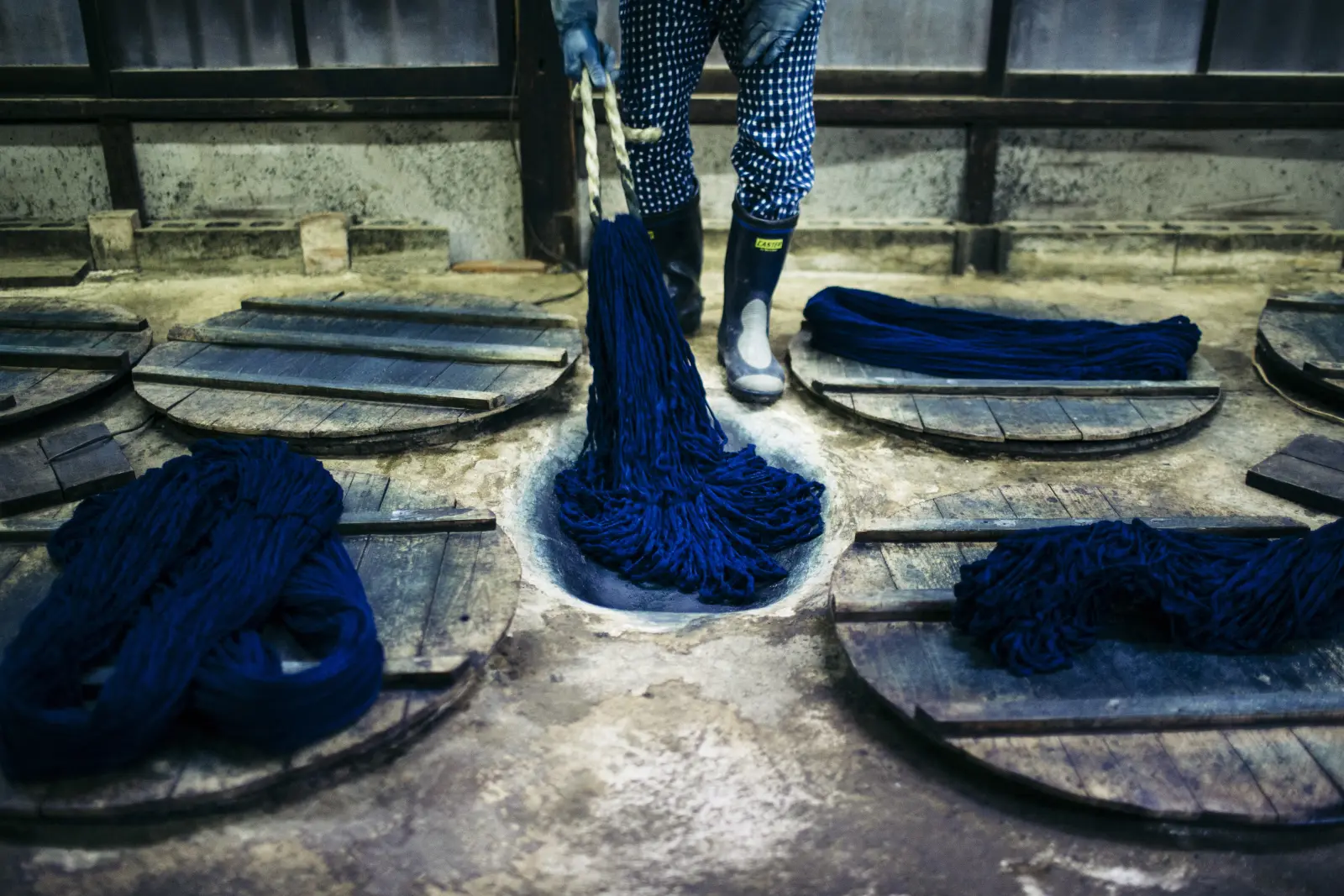
Sukumo is named after what those vats are built from. Sukumo is indigo leaf, cut in high summer, dried, then wetted and turned for about a hundred days until it composts into a dark, crumbling earth.1 It smells of the field and the barn. Nothing in a Sukumo vat is synthetic, which is why the colour behaves the way it does: it goes on in thin layers, and each layer is a dip.
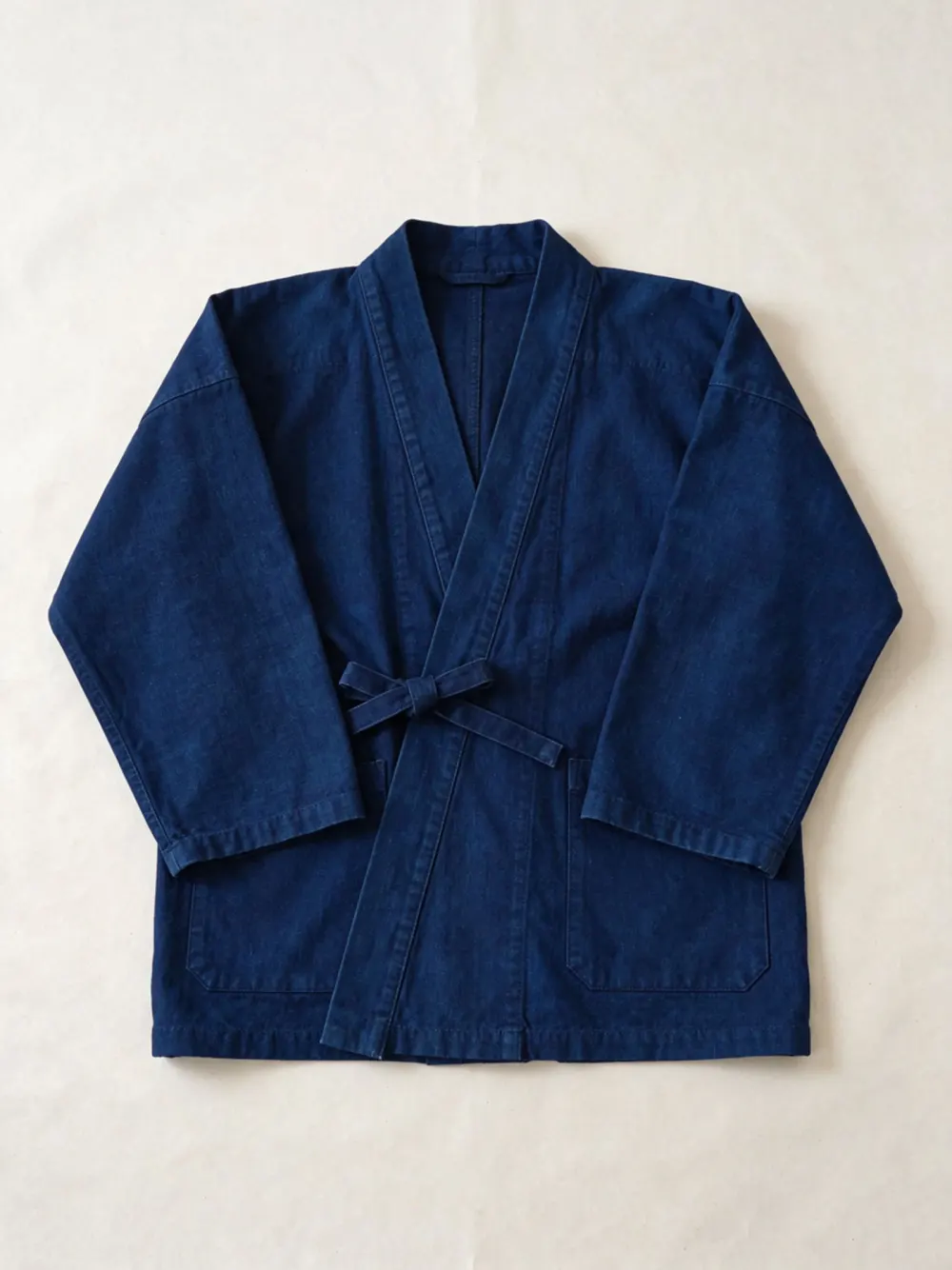
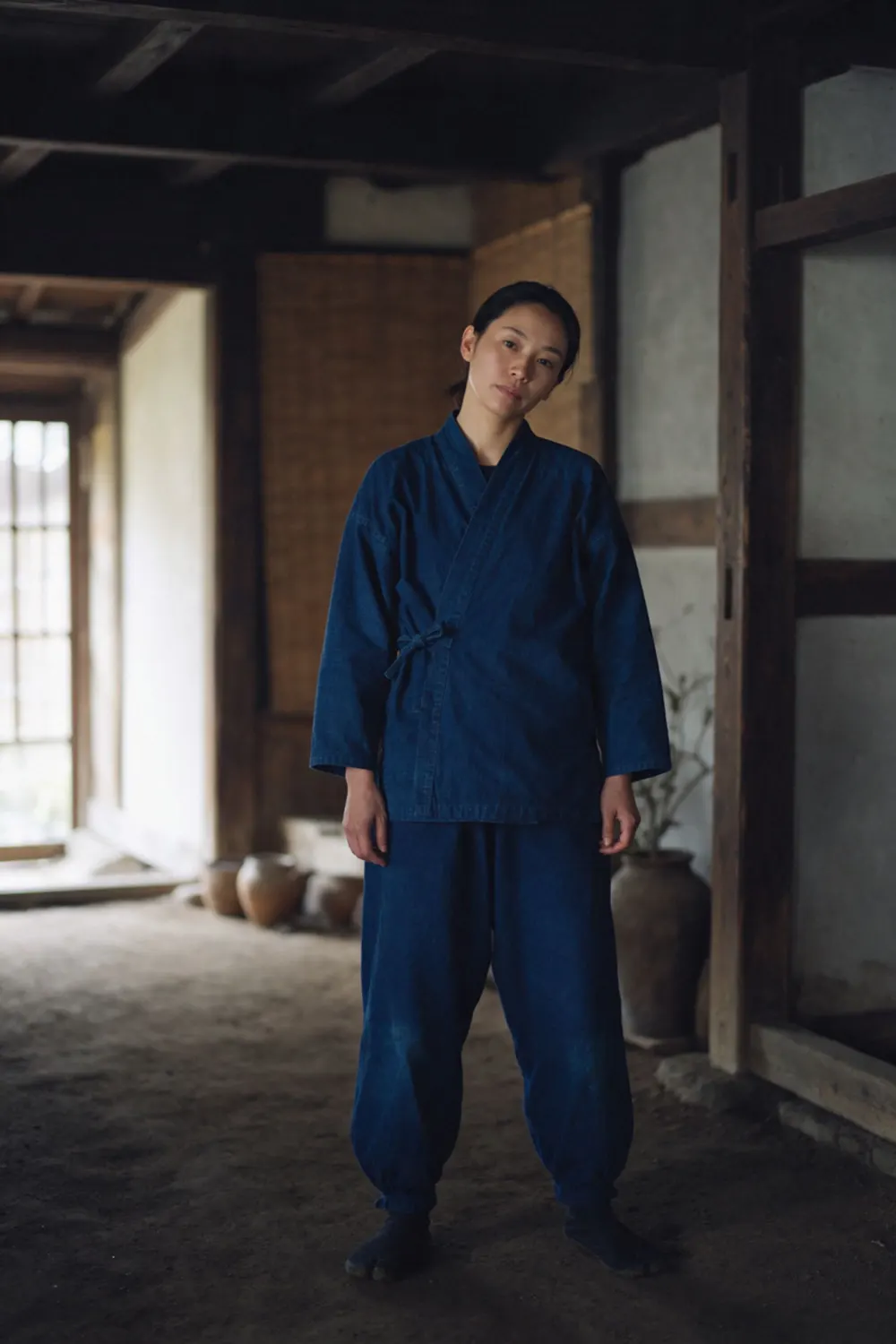
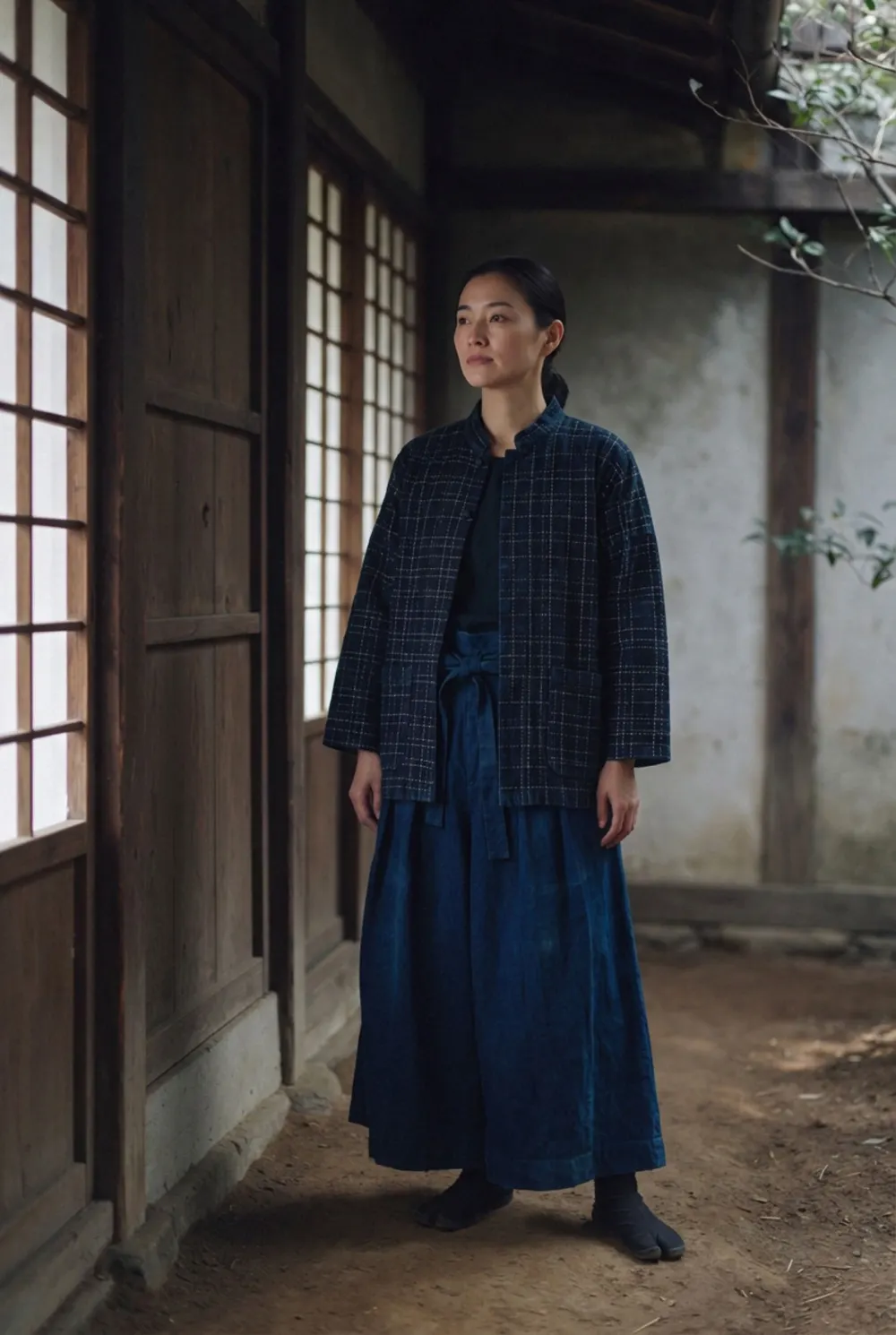
The house makes the clothes Kyoto craftspeople worked in: the noragi field jacket, the long hanten coat, monpe and hakama trousers, the brewer’s apron. We cut them from Japanese cotton and hemp,2 and dye each piece by hand between twelve and twenty two times. A piece takes weeks. Luxury, here, is mostly time.
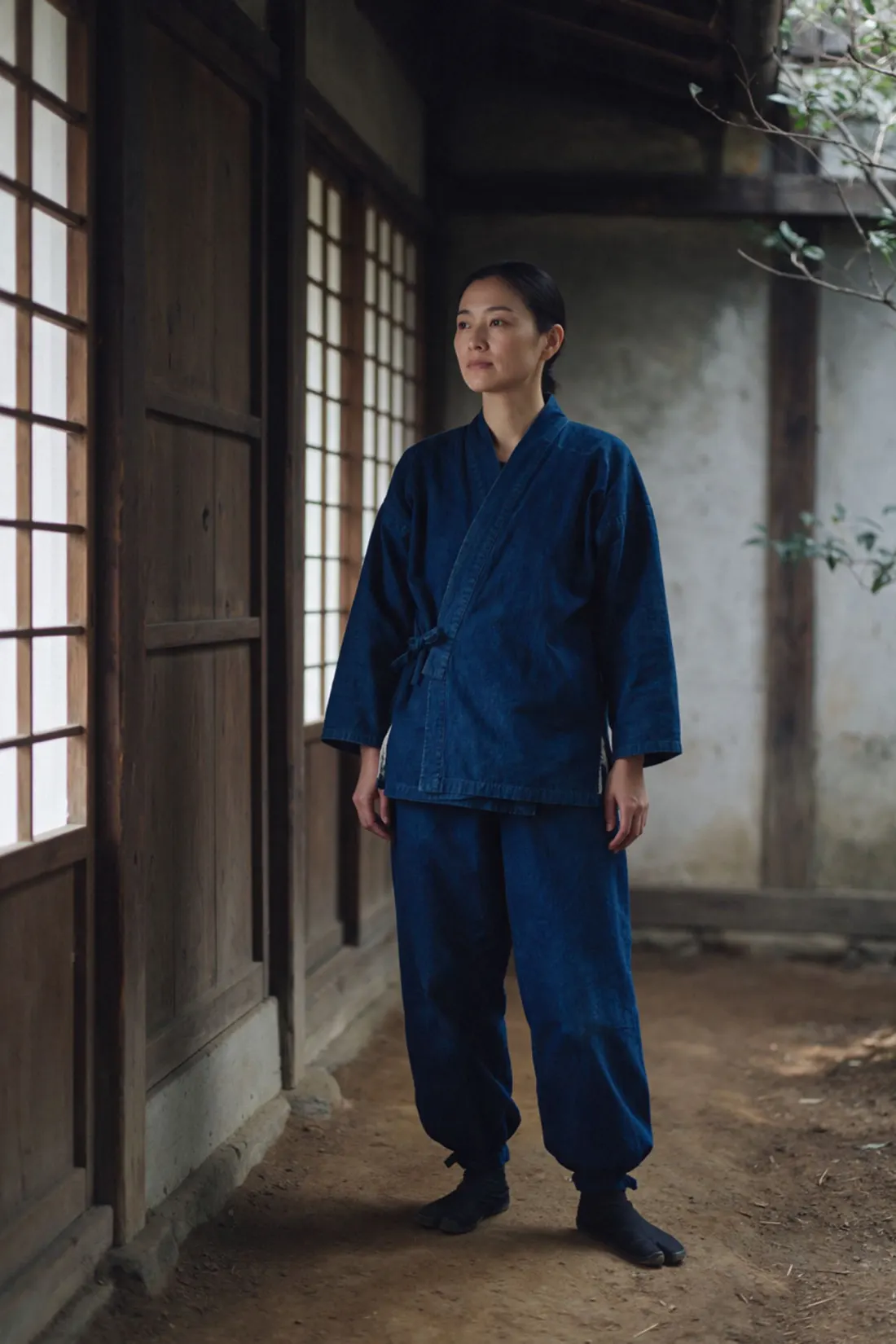
Sayo Fujimura, who runs the vats, came here at nineteen to sweep the yard. For a year she was not allowed near the cloth. She fed the vats, skimmed them, stirred them at night, and learned to read the surface the way a baker reads a dough. She still touches the lye to the tip of her tongue to check it.
“You have to learn what a vat wants before you can ask it for anything.”
This issue follows one length of cotton through the house: into the vat twenty times, onto the cutting table, through a morning with visitors at the vats, and out into the world, where it will slowly fade wherever its owner moves.
IIInto the vat
Chapter two 藍Ten days to wake a vat, a few minutes under, and the moment the green turns blue.
A vat is woken, not mixed. Sayo crumbles the sukumo into wood ash lye,3 adds wheat bran to feed it and slaked lime to keep it steady, then puts on the lid. Then everyone waits. For ten days the vat ferments in the dark, and each morning someone lifts the lid to look.
On a good morning a bronze skin has formed, and in the middle sits a dome of dark violet froth that dyers call the flower of the indigo.4 That is the sign the vat will take colour. A vat that is sulking smells sharp and stays a cloudy green, and no persuading helps. You feed it, and you wait another day.
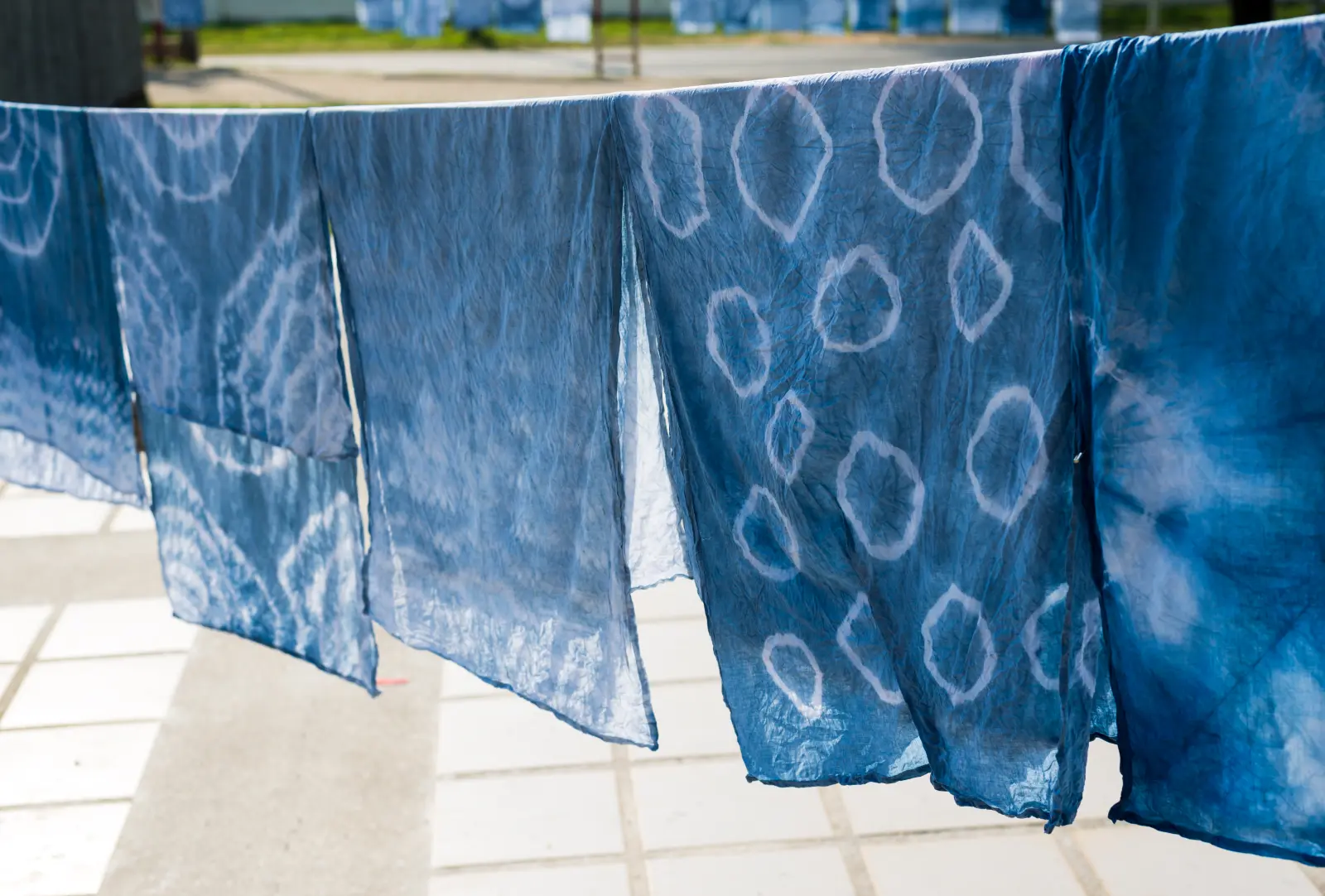
The dip itself is short. The cloth goes under for a few minutes and comes up a startling green, then turns blue in front of you as the air reaches it. That change is oxidation, the only moment of green in the whole process. The cloth is rinsed, aired on the line, and dipped again.
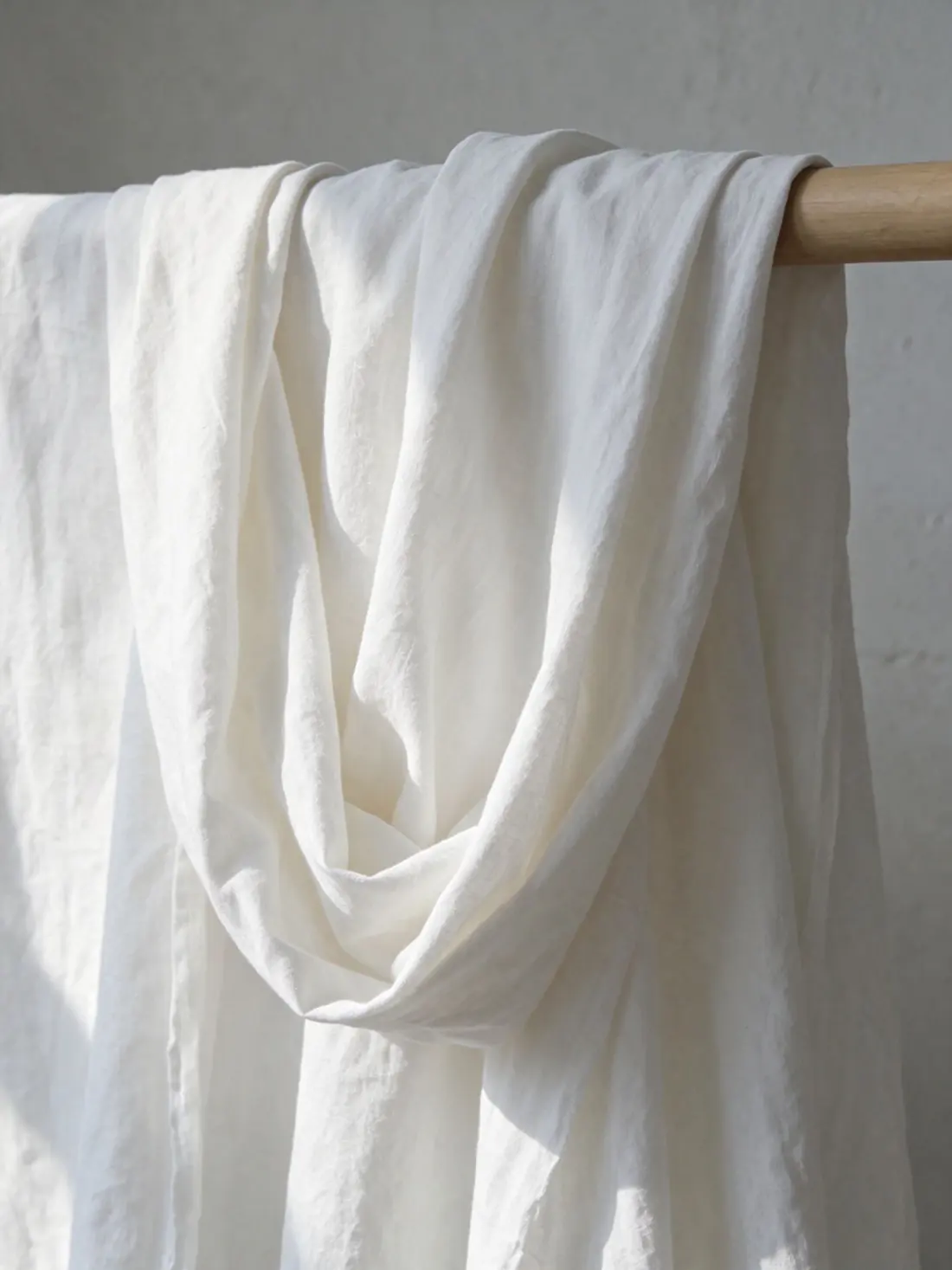
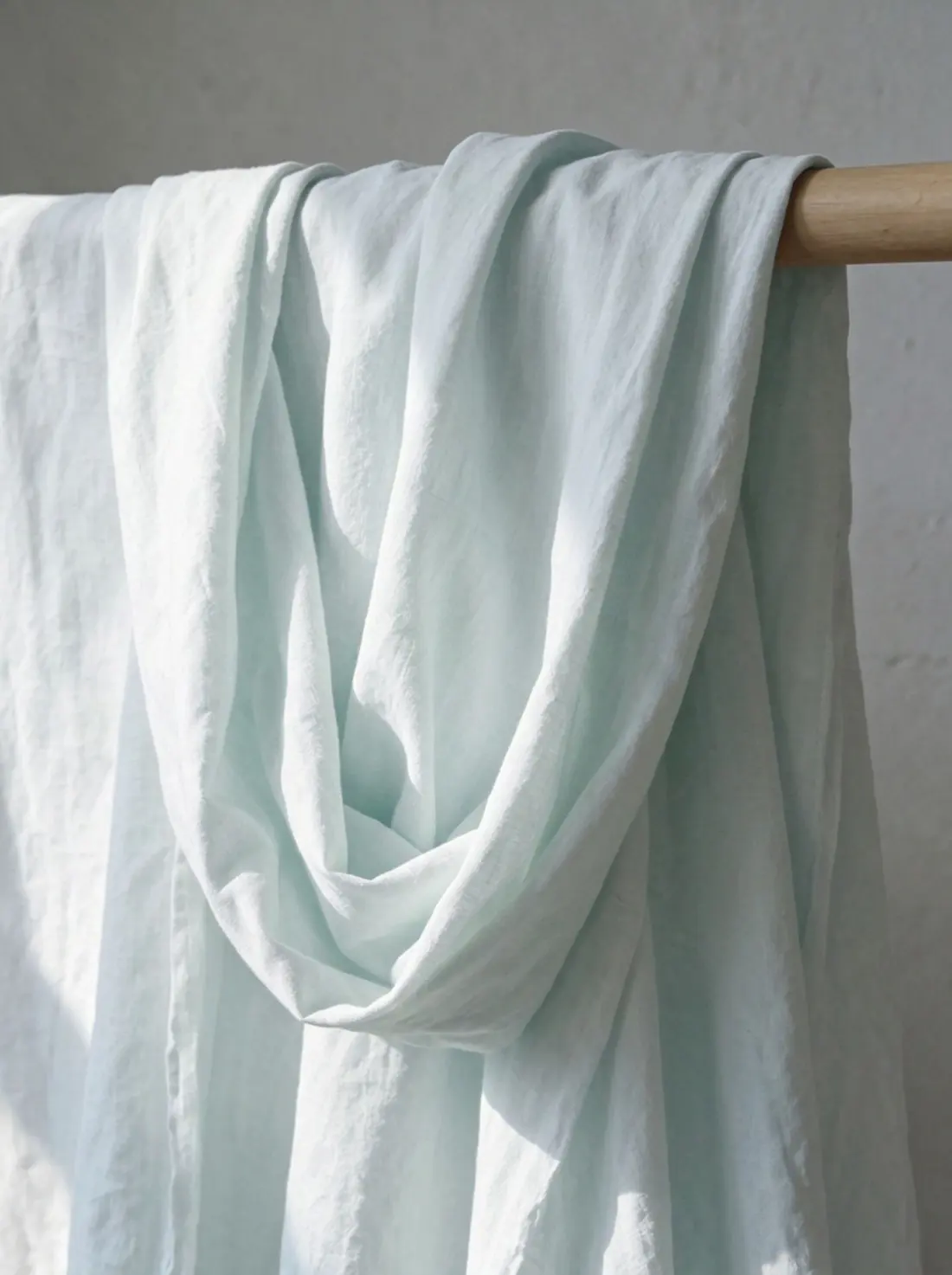
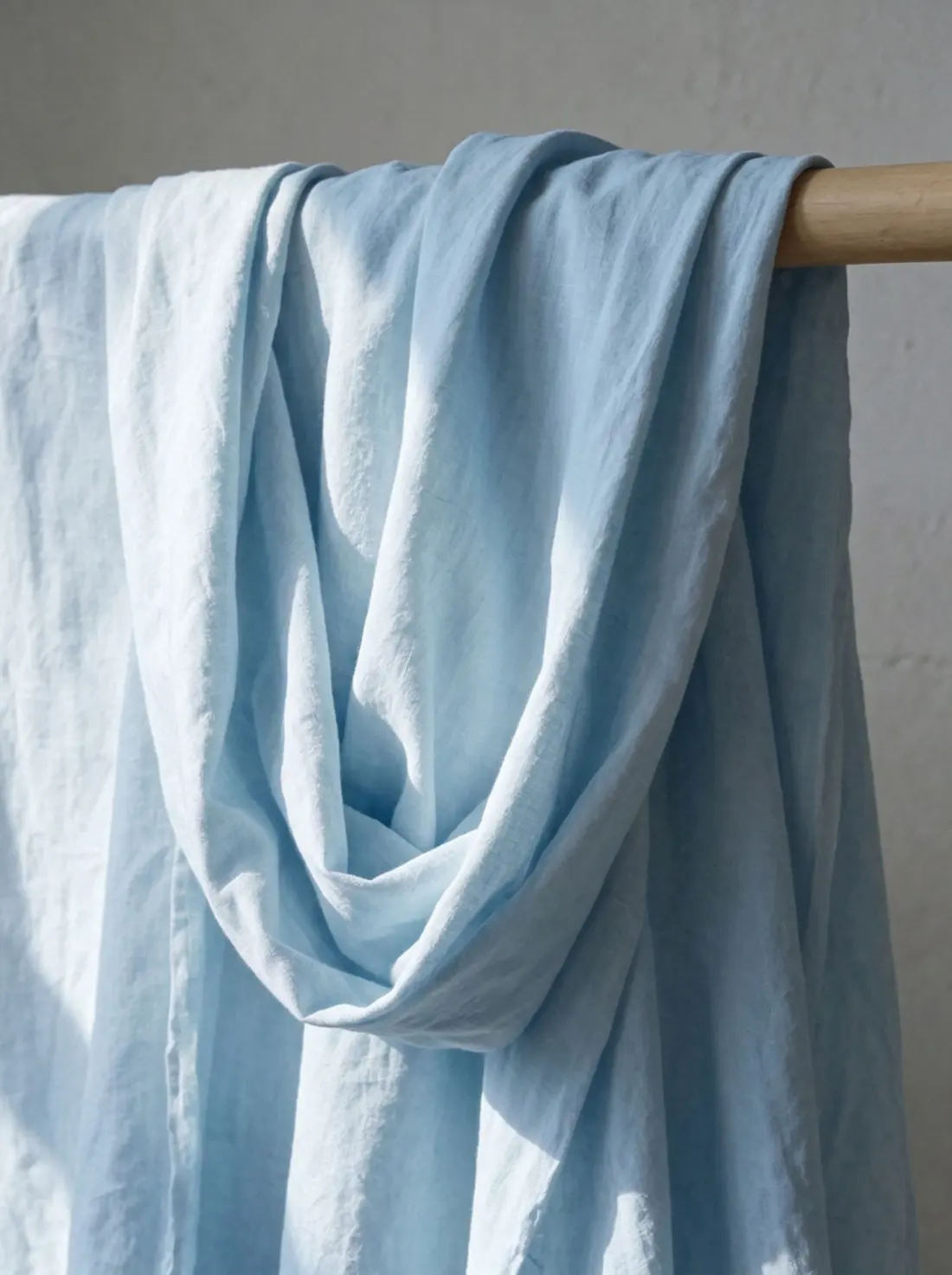
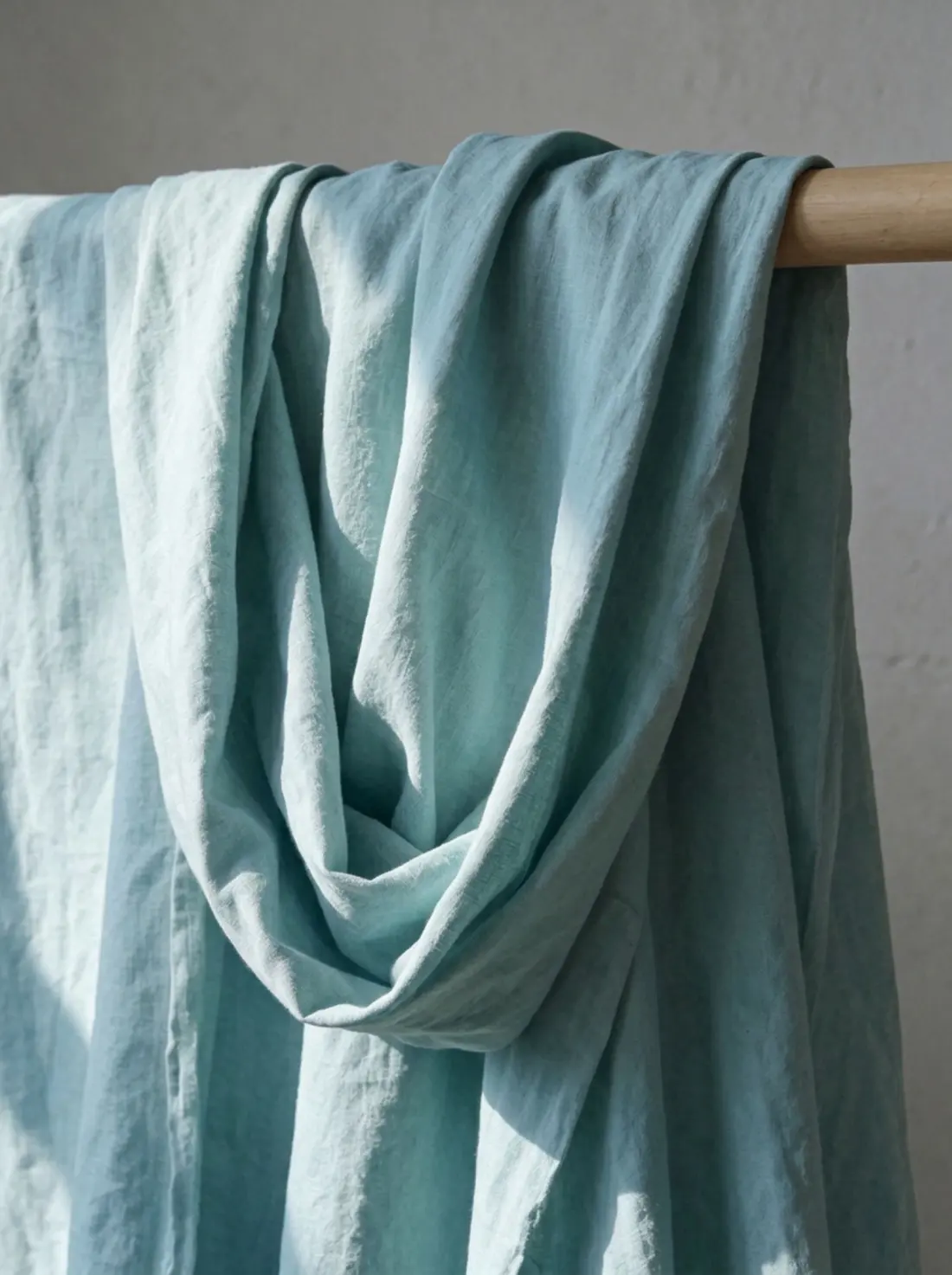
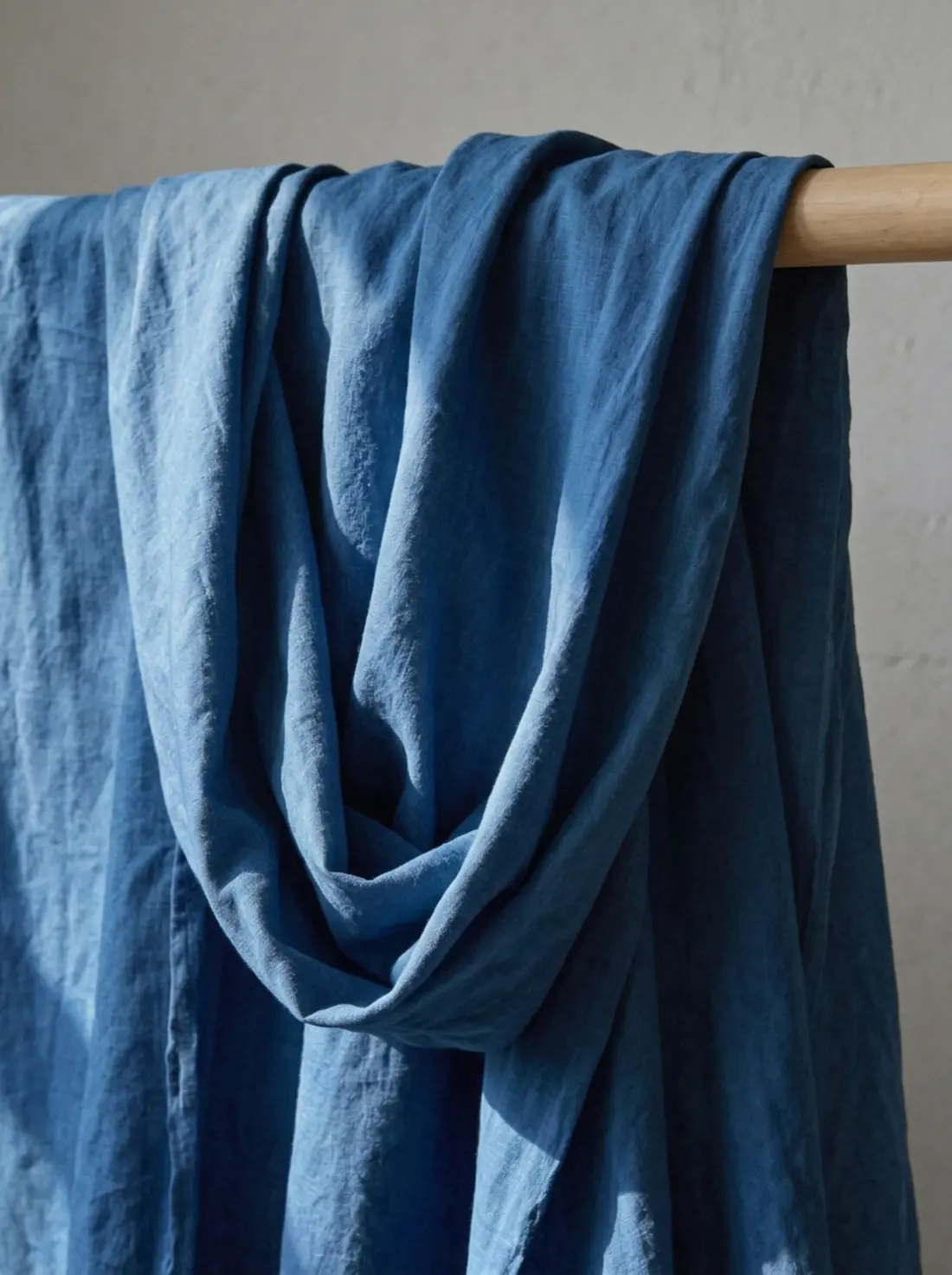
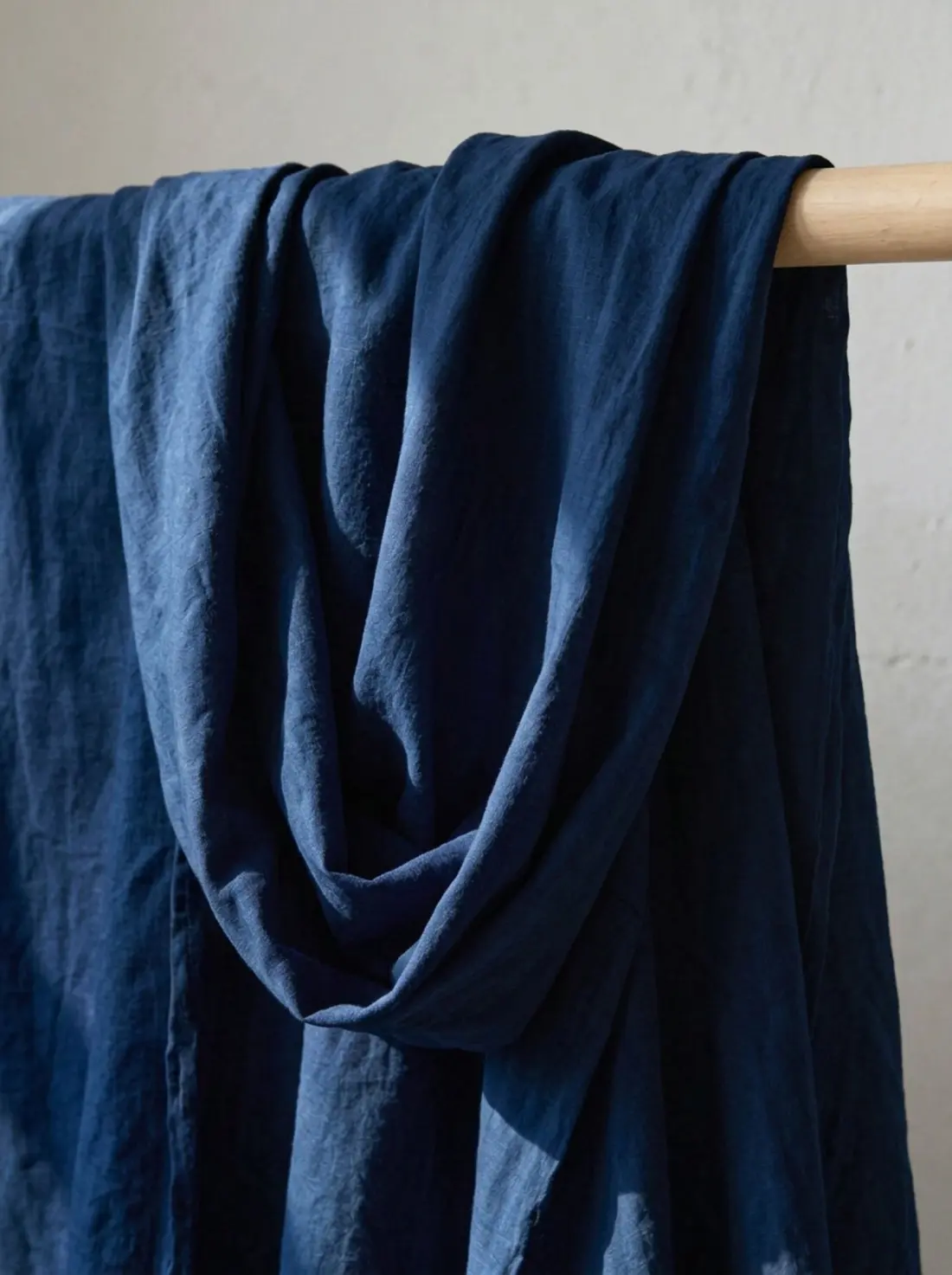
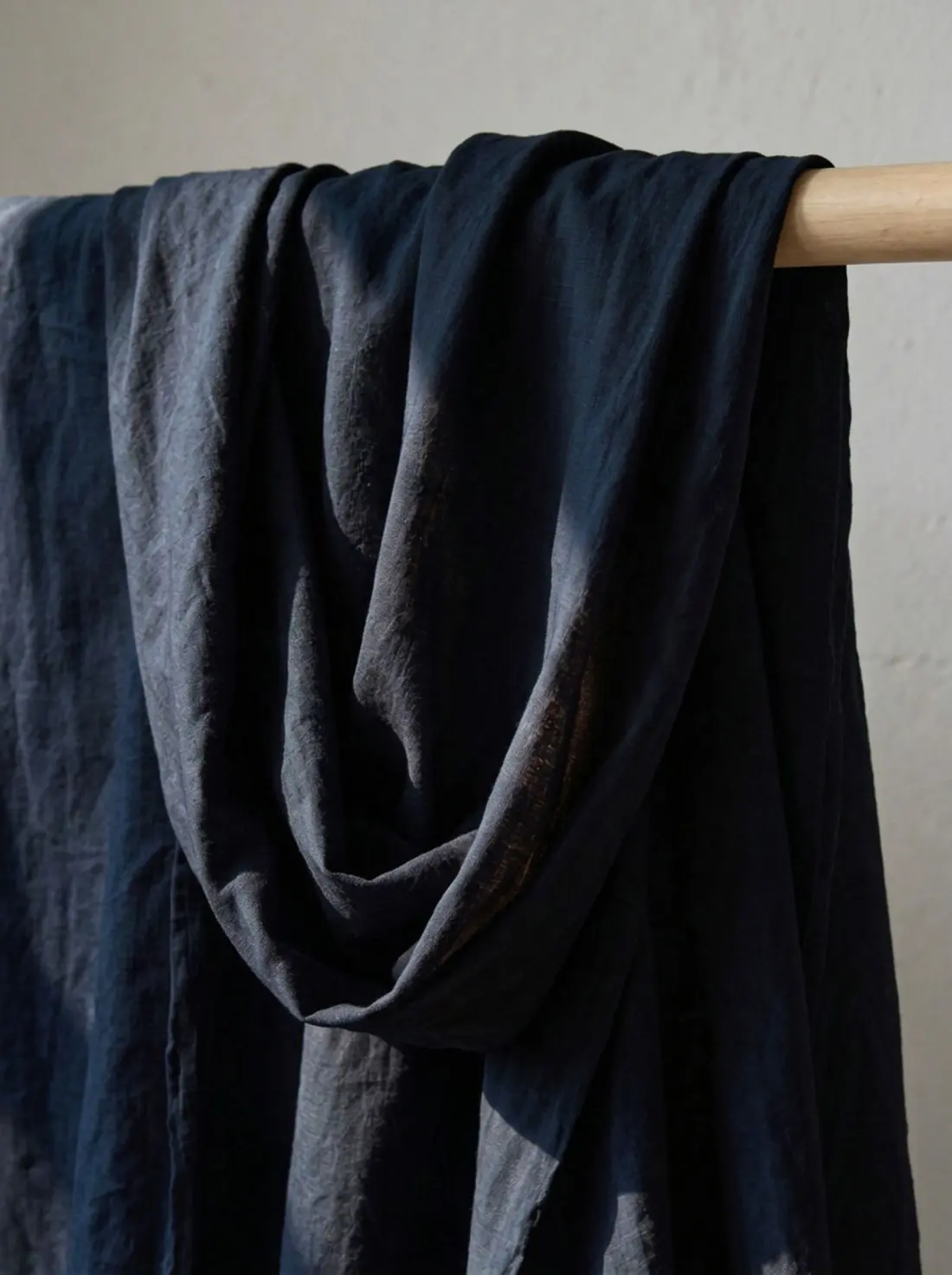
One dip gives aijiro, indigo white. Three gives kamenozoki, a name that means a glance into the vat. Ten is hanada, fifteen is kon, and twenty is kachi, so dark it reads as black. Because the layers build from the inside of the thread outward, the colour goes all the way through. Cut a Sukumo seam open and the core of the yarn is blue.
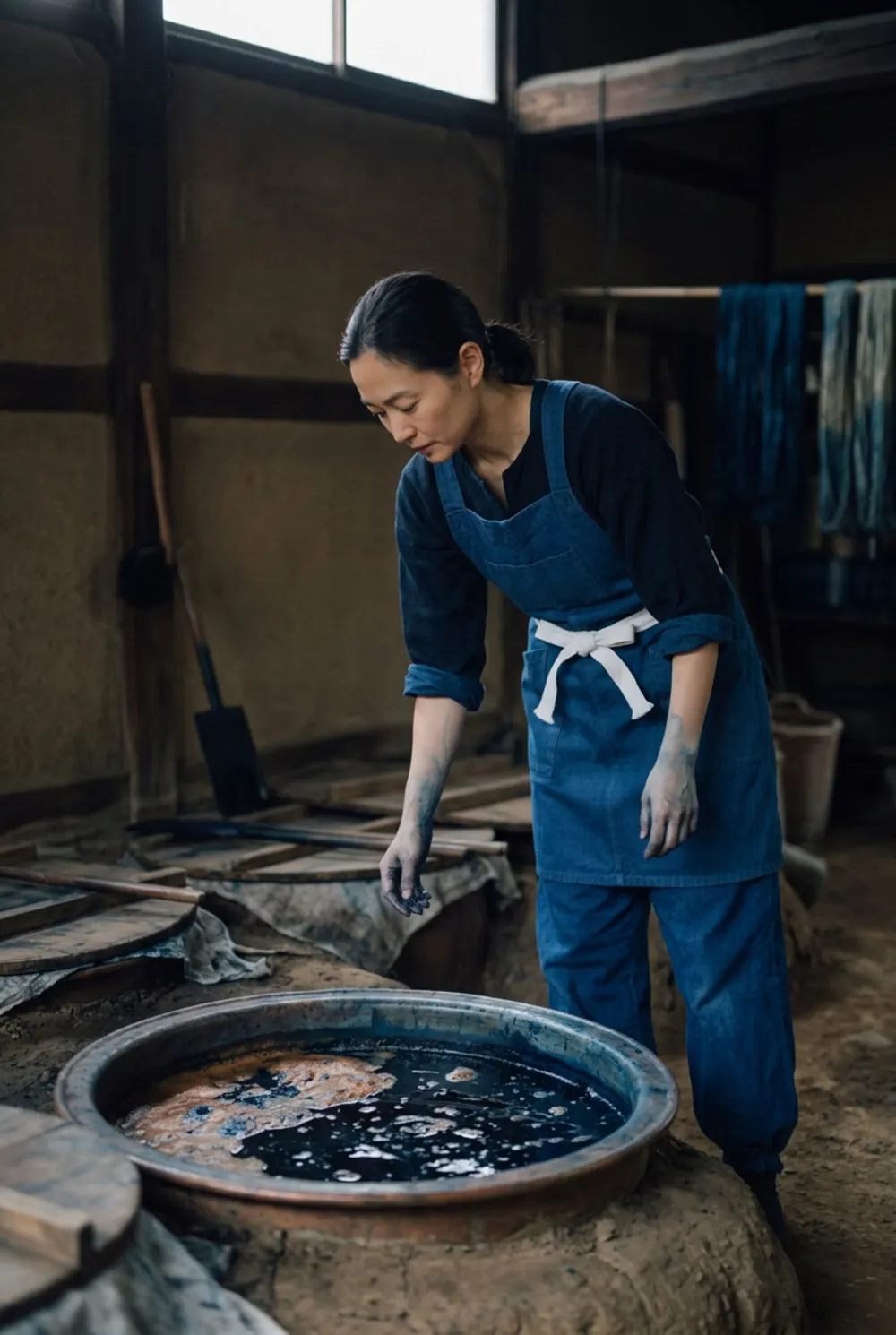
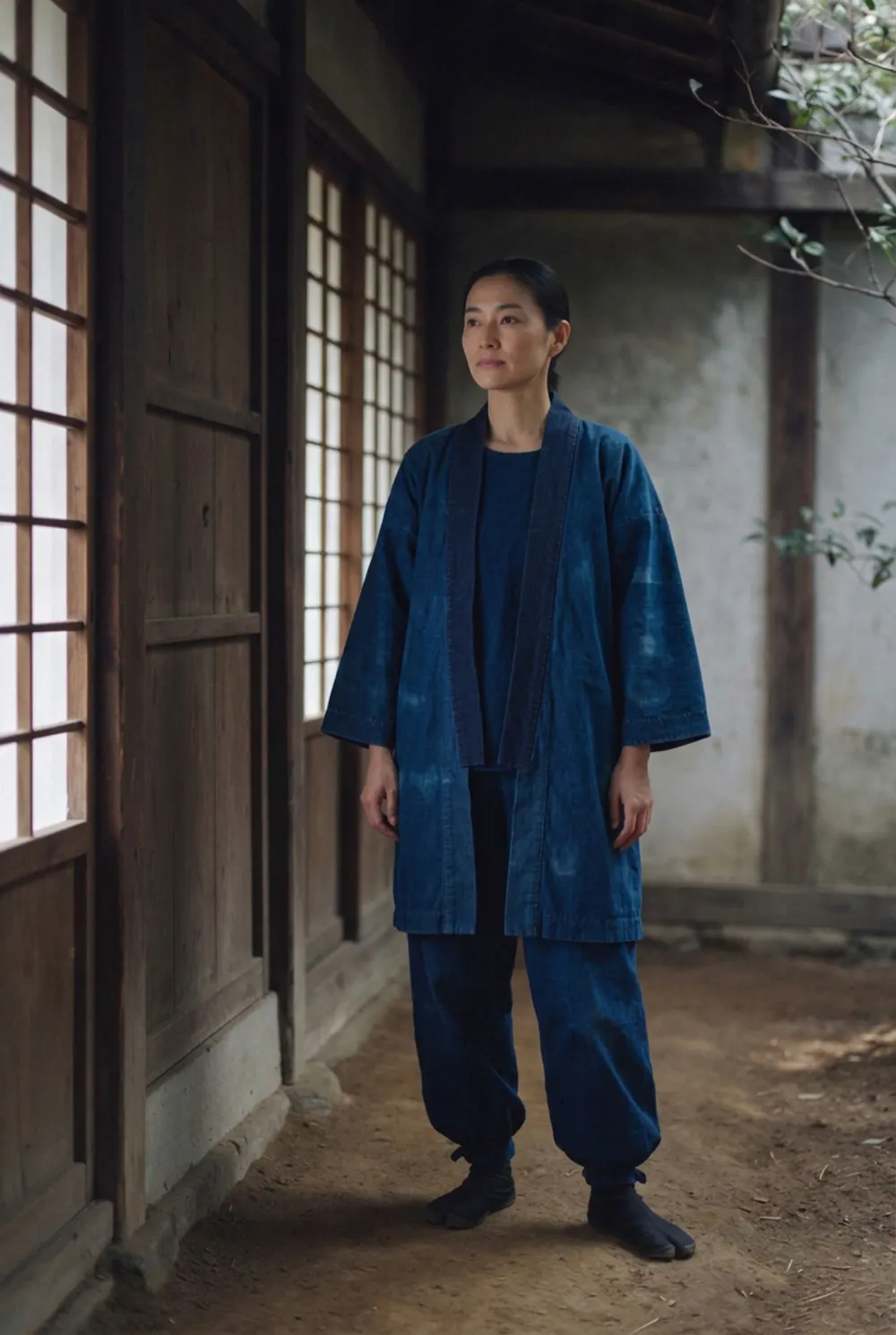
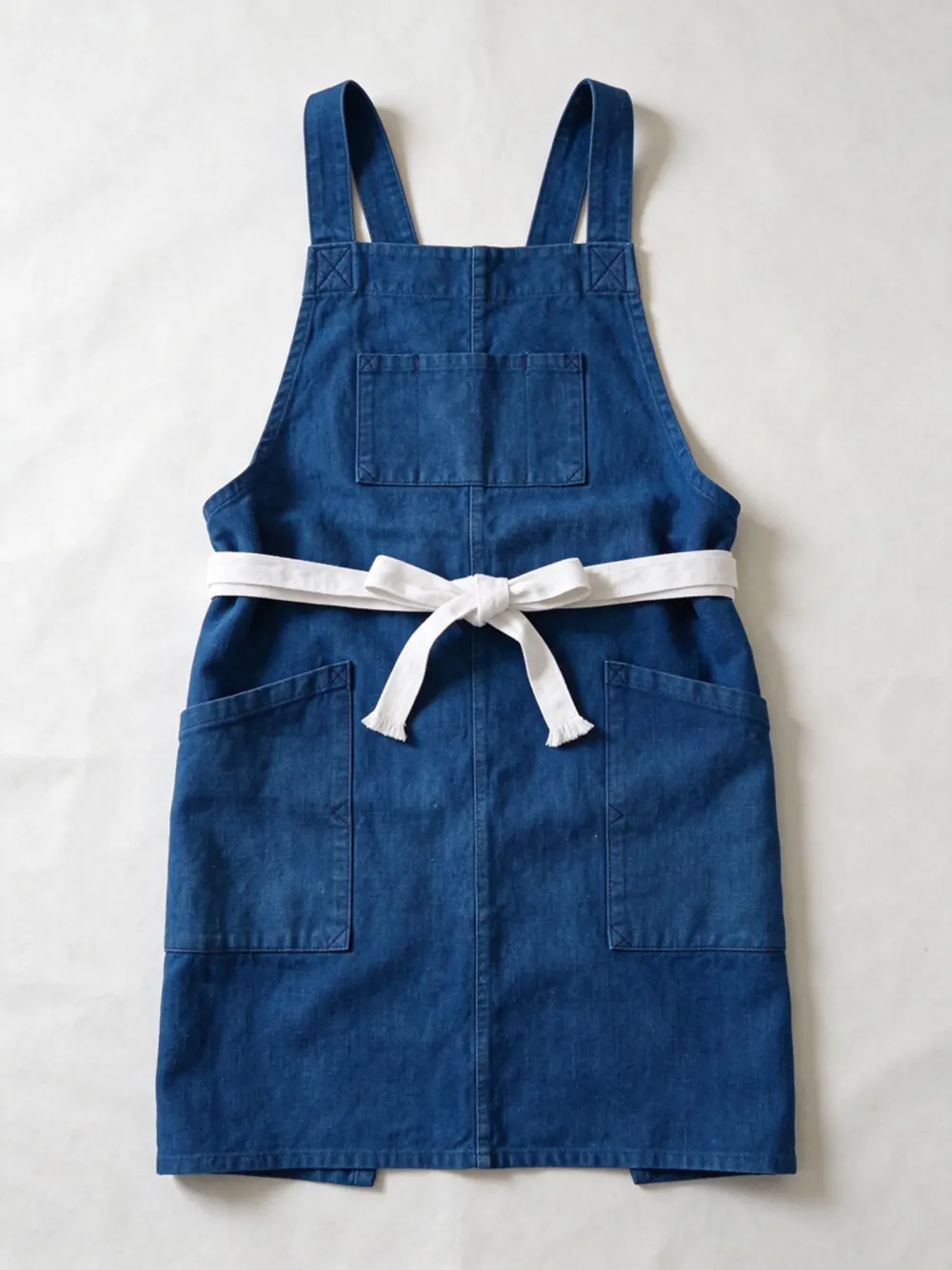
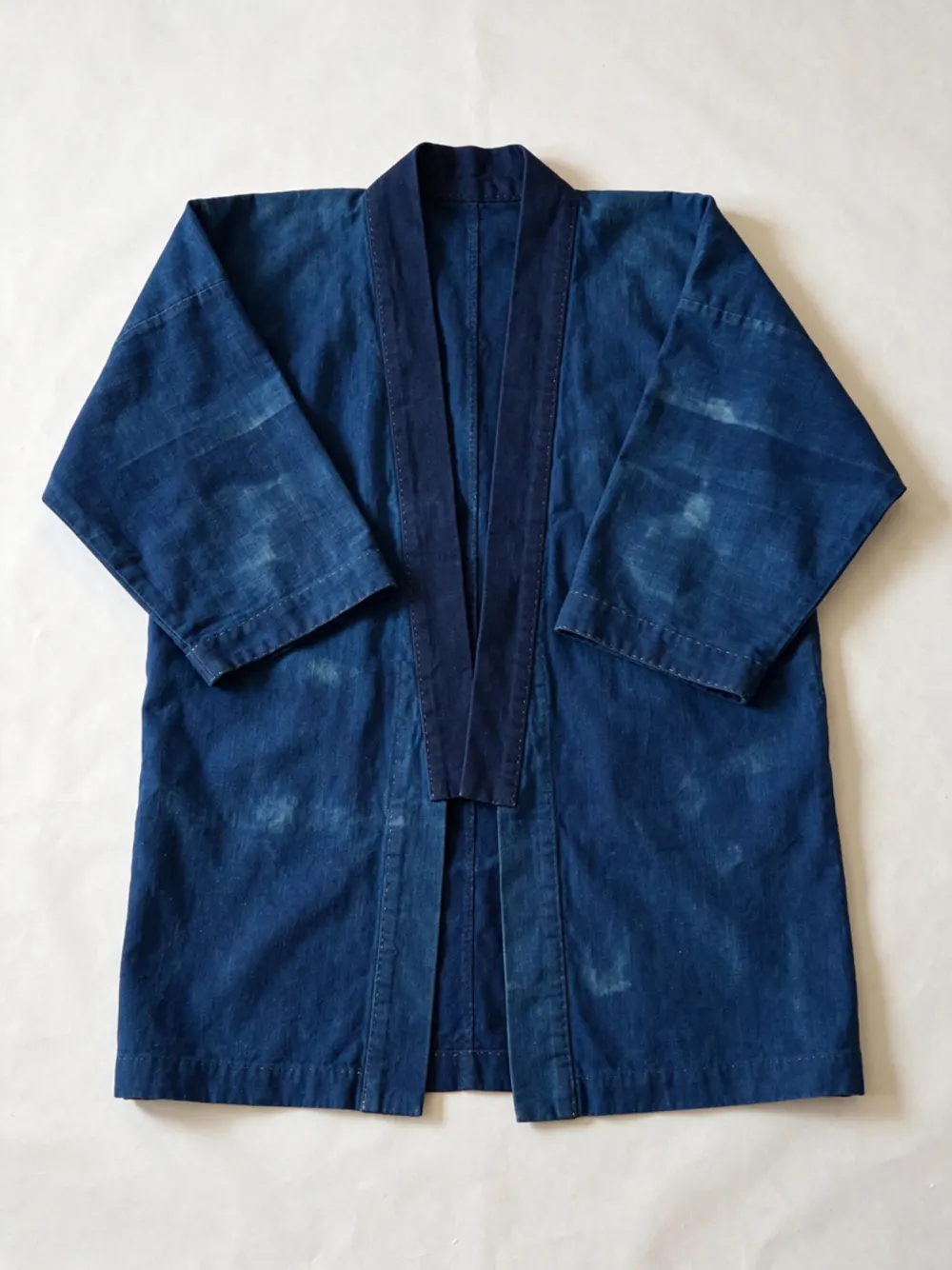
The apron Sayo wears at the vat is the one the old sake brewers wore, cut from heavy hemp and dipped twelve times. It is the lightest blue we sell, and the hardest working. The hanten beside it takes sixteen dips and is worn open over everything, the way carpenters wore theirs through the winter.
“The blue at Sukumo does not sit on the cloth. It goes all the way through, the way the river goes through the city.”
IIICut from rectangles
Chapter three 描How a noragi is cut without a single curve, and a sheet in the margin that reads your drawing.
Japanese workwear wastes nothing. A bolt of our cotton is about 36 centimetres wide, the width of the old hand looms, and a noragi is cut from it in straight lengths: two for the body, two for the sleeves, a long band for the collar and a small square gusset under each arm so you can reach. No curves and no offcuts. What is left over becomes the ties.
Ren Ishida, who cuts for the house, reads a garment from its rectangles the way a builder reads a plan. So we asked him to teach a machine to do it. Draw a shape on the sheet, with a finger or the mouse, and it reads your line the way Ren would: the length, the width at shoulder and hem, whether there are sleeves or legs. Then it lays out the pieces it would cut, in a cutter’s hand.
Or start from a shape
It is not a search box. Draw a hat and it will tell you we cut from the shoulder down; ask for red silk and it will say we dye only in indigo, and only cotton and hemp. What it does well is find the nearest of our six patterns, and when nothing is near enough, it hands your drawing to Ren.
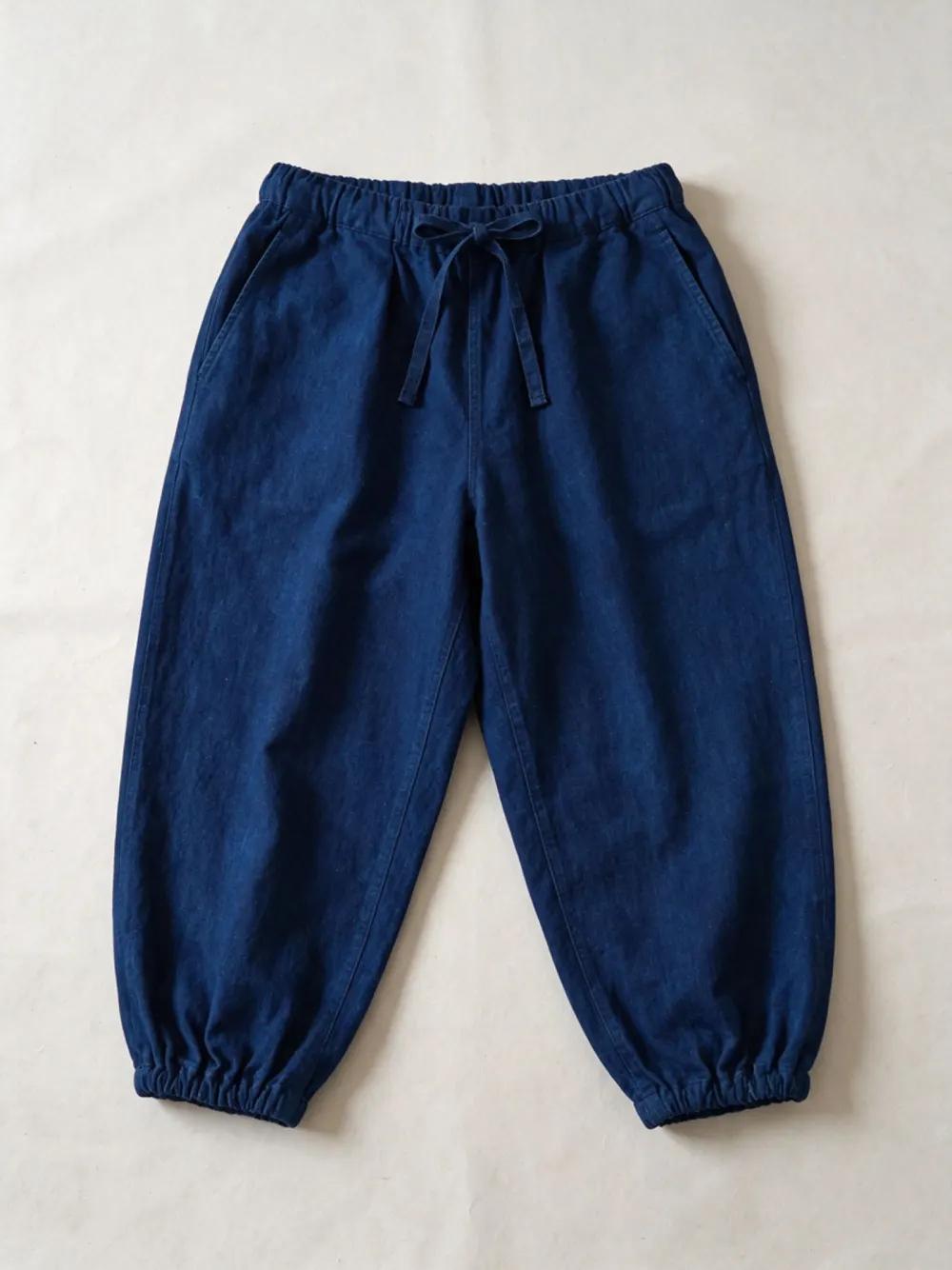
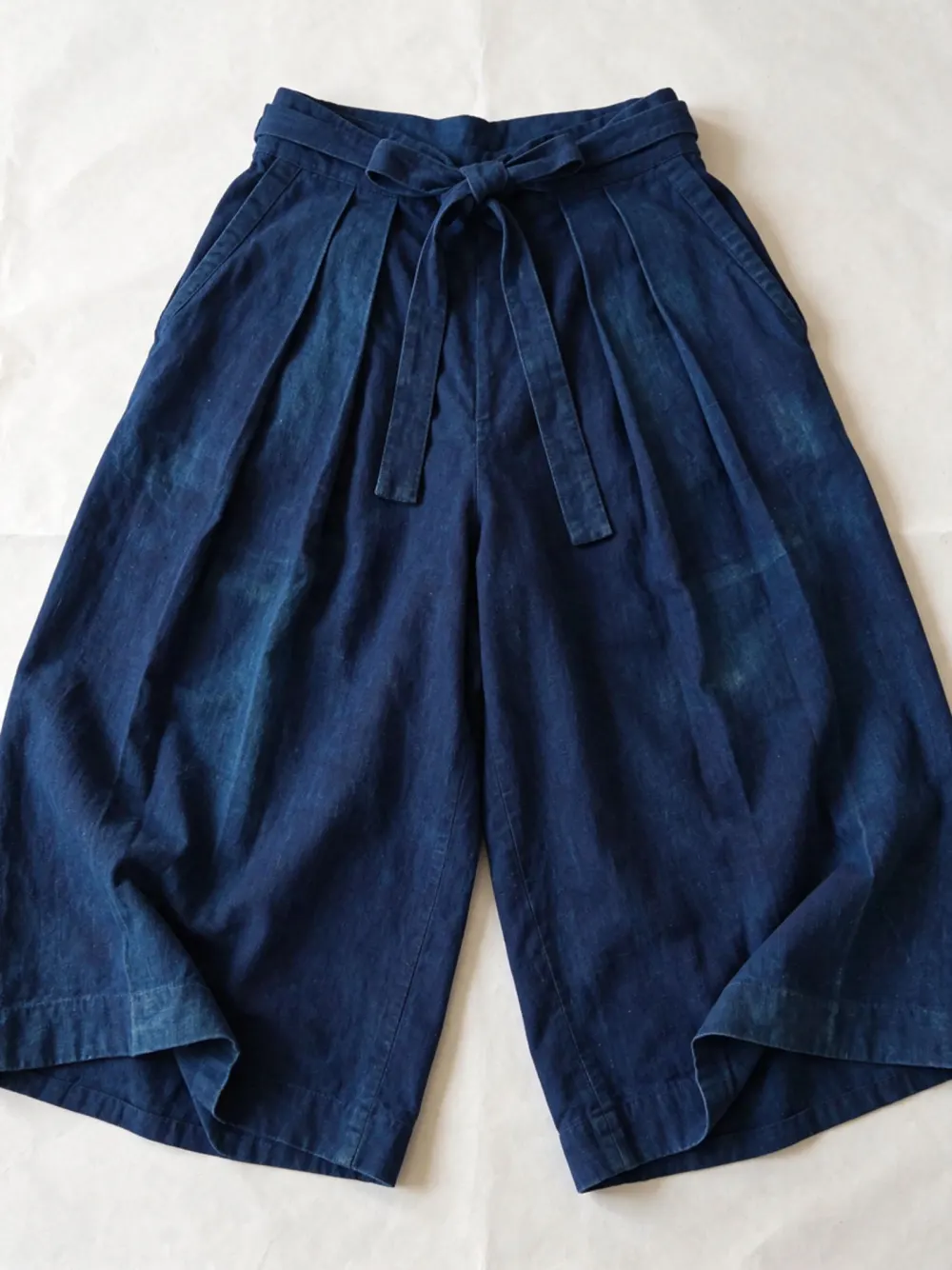
The trousers show the method best. Monpe are full through the thigh and gathered at the ankle, so nothing catches; hakama are cut wide and pleated, and move like a skirt while they work like trousers. Both are rectangles, and both have the same square gusset at the crotch. The difference is only in how the rectangles are folded and tied.
Anything you draw can be cut to order. Ren reads your line, chooses the nearest pattern and changes it to fit, then the piece goes into the vat for its twenty dips. It takes six weeks from the drawing to your door.
IVA morning at the vats
Chapter four 紺Small sessions at the dye house, Thursday to Sunday. You do not watch; you dip.
Four mornings a week the dye house opens its doors to a few visitors, eight at most.5 Sayo or one of the dyers stands beside you at the vat, and you take a length of undyed cotton from white to whatever shade you have the patience for. Most people stop at asagi the first time. A few stay until the light goes.
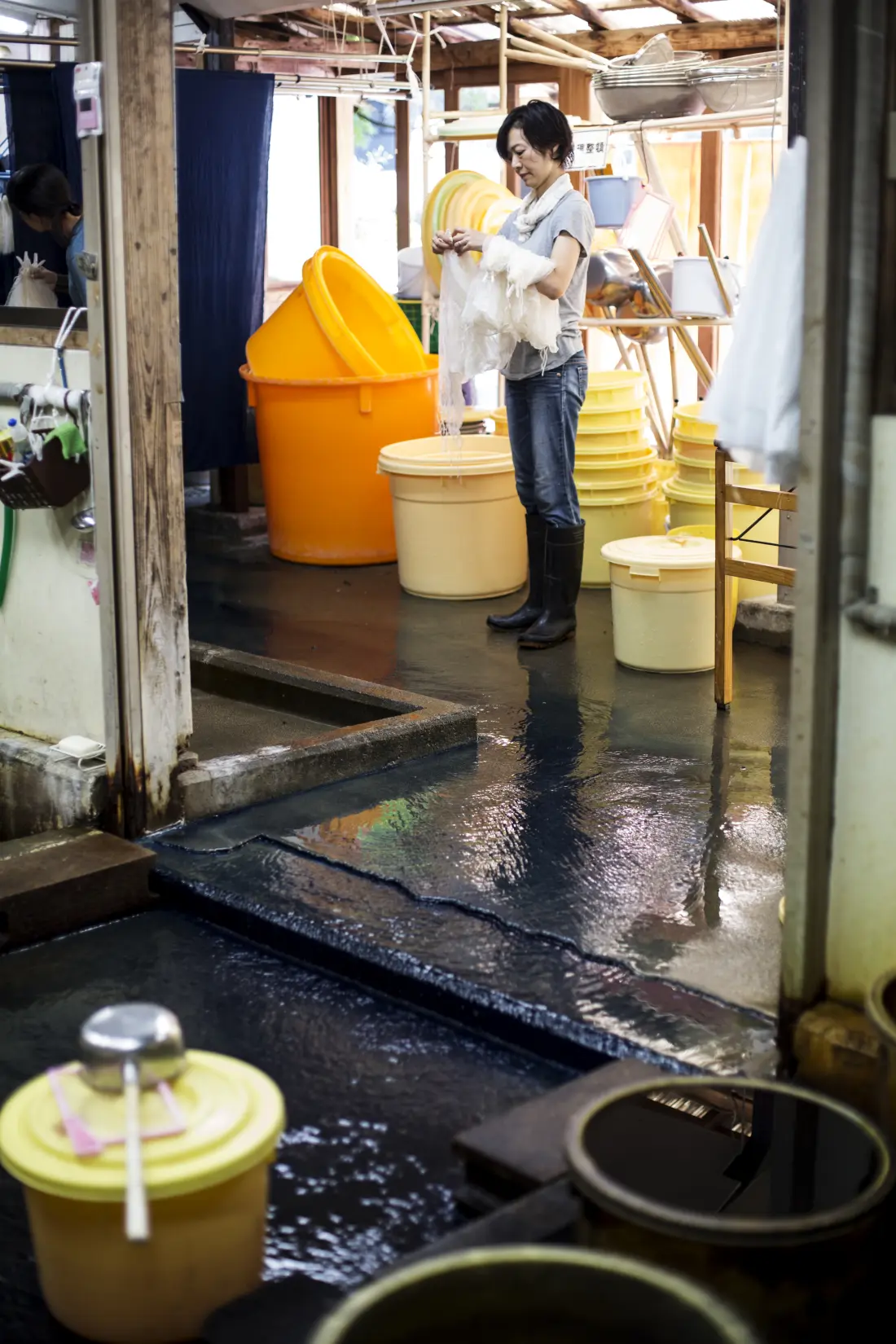
The sessions fill early in autumn, when the vats are at their strongest. Wear something you do not mind turning blue. Your hands will be blue for a day or two. We hand out gloves, and most people take them off after the first dip.
Each session starts with tea by the doorway and ends with your cloth on the line in the yard. Thursday is for first timers, Friday starts at eight while the vats are fed, and Saturday is the long one, a whole day at the vat. Choose a morning below, then the number of places.
Sessions this autumn
- 1Session
- 2Places
- 3Details
- 4Ticket
Choose a morning. Prices are for one place, tax included, paid at the door.
How many places?
Paid at the dye house on the day. Gloves and aprons are ours.
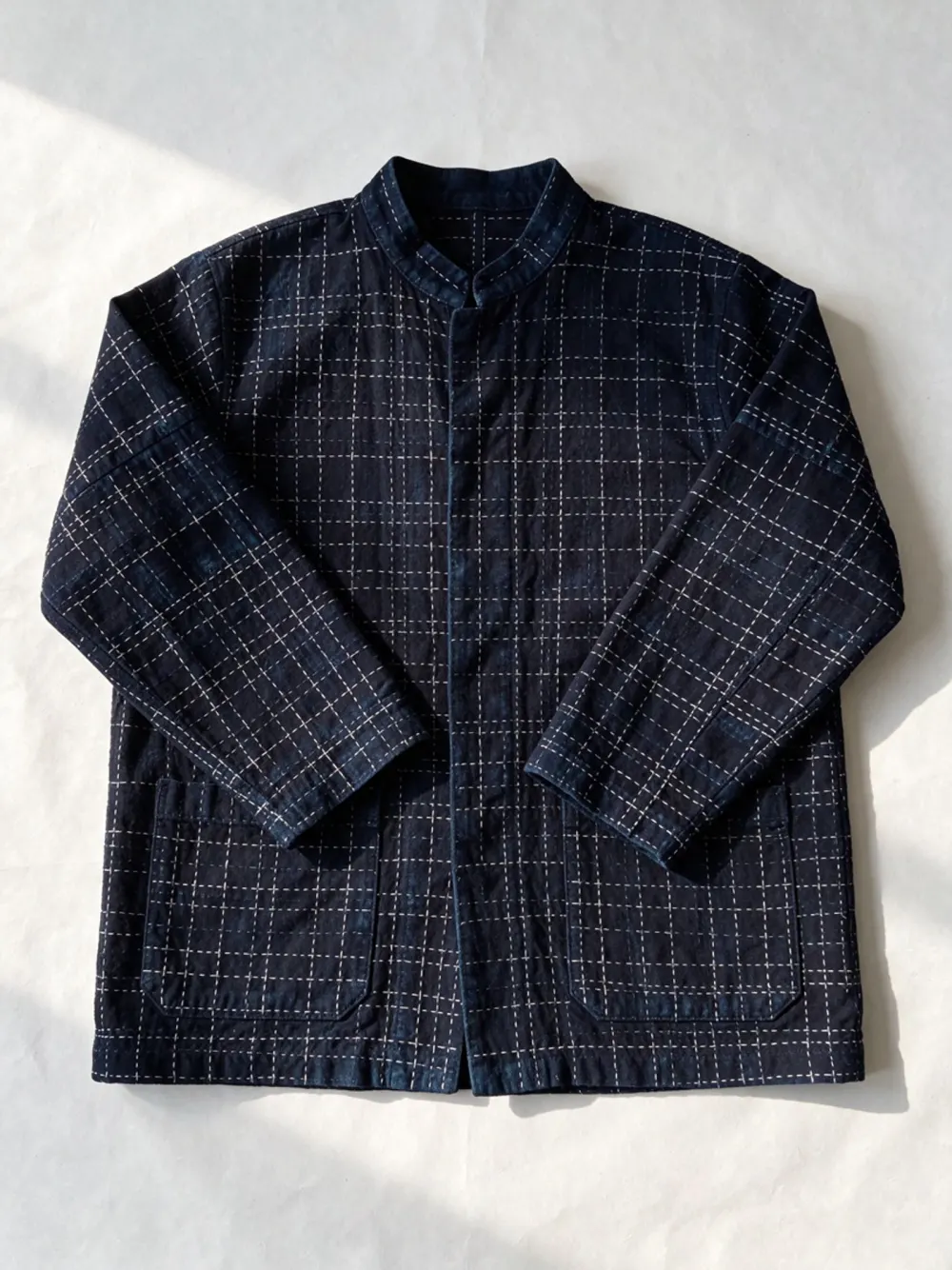
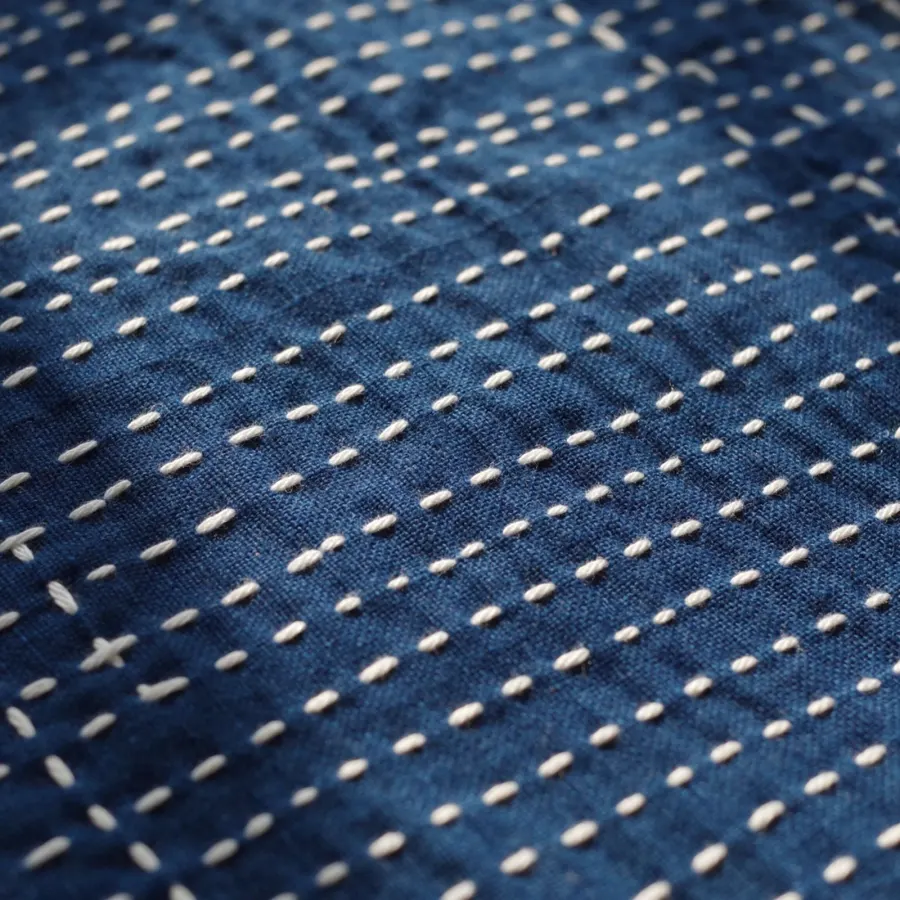
The Sunday session is the quiet one. Instead of the vat you sit at the long table by the lattice and learn sashiko, the running stitch that holds two layers of cotton together. It is the stitch on our sashiko jacket, which takes Ayako Mori, who sews it, three weeks by hand.
VBlue where you move
Chapter five 褐How indigo wears, how to wash it, and why it should fade.
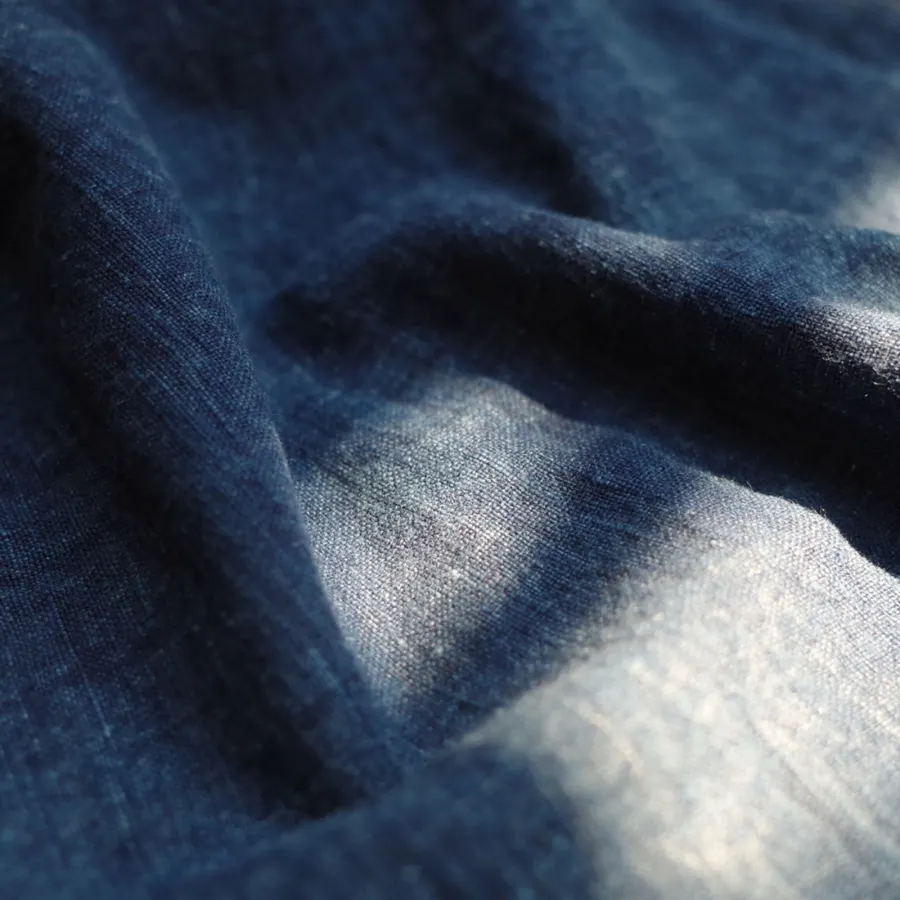
Indigo is not finished when it leaves us. The first washes take a little colour, and after that it fades only where you move: the elbows, the knees, the edge of a pocket where your hand goes in. After a few years a piece carries a map of the way you live in it.
Wash cold and alone the first five times, inside out.6 Dry in shade, never in the sun. A little blue may rub off at first; that is the indigo settling into the cloth. When a piece fades further than you like, bring it back to us. We dip Sukumo pieces again for the cost of the vat, and they come home a shade darker.
“Indigo fades where you move, and that is the point.”
Everything here is made to outlast the person who dyed it. The dye house will still be on its side street when your noragi is soft as paper, and the vats will still be fed every evening. Come and see them. The kettle is usually on.
The pieces in this story
- Horikawa noragiChapter one, Fig. 2¥88,000
- Kura apronChapter two, Fig. 5¥30,800
- Hanten work coatChapter two, Fig. 6¥132,000
- Monpe trousersChapter three, Fig. 8¥52,800
- Hakama trousersChapter three, Fig. 9¥61,600
- Sashiko jacketChapter four, Fig. 11¥154,000