Field near Ouahigouya 13.58°N 2.42°W
Paid for every
tree you keep.
Satellite images show the green your zaï pits bring back. Jiri pays you for it by mobile money.
- green
- 0%
- trees
- 0
A pit holds the rain.
Zaï is an old way to farm crusted ground. In the dry season you dig a small pit, add a handful of compost, and sow when the first rain comes. The pit catches water that would run off, and the compost draws termites that open the soil.
Farmers on the Yatenga plateau, Yacouba Sawadogo among them, revived it in the 1980s. Trees came back with it.
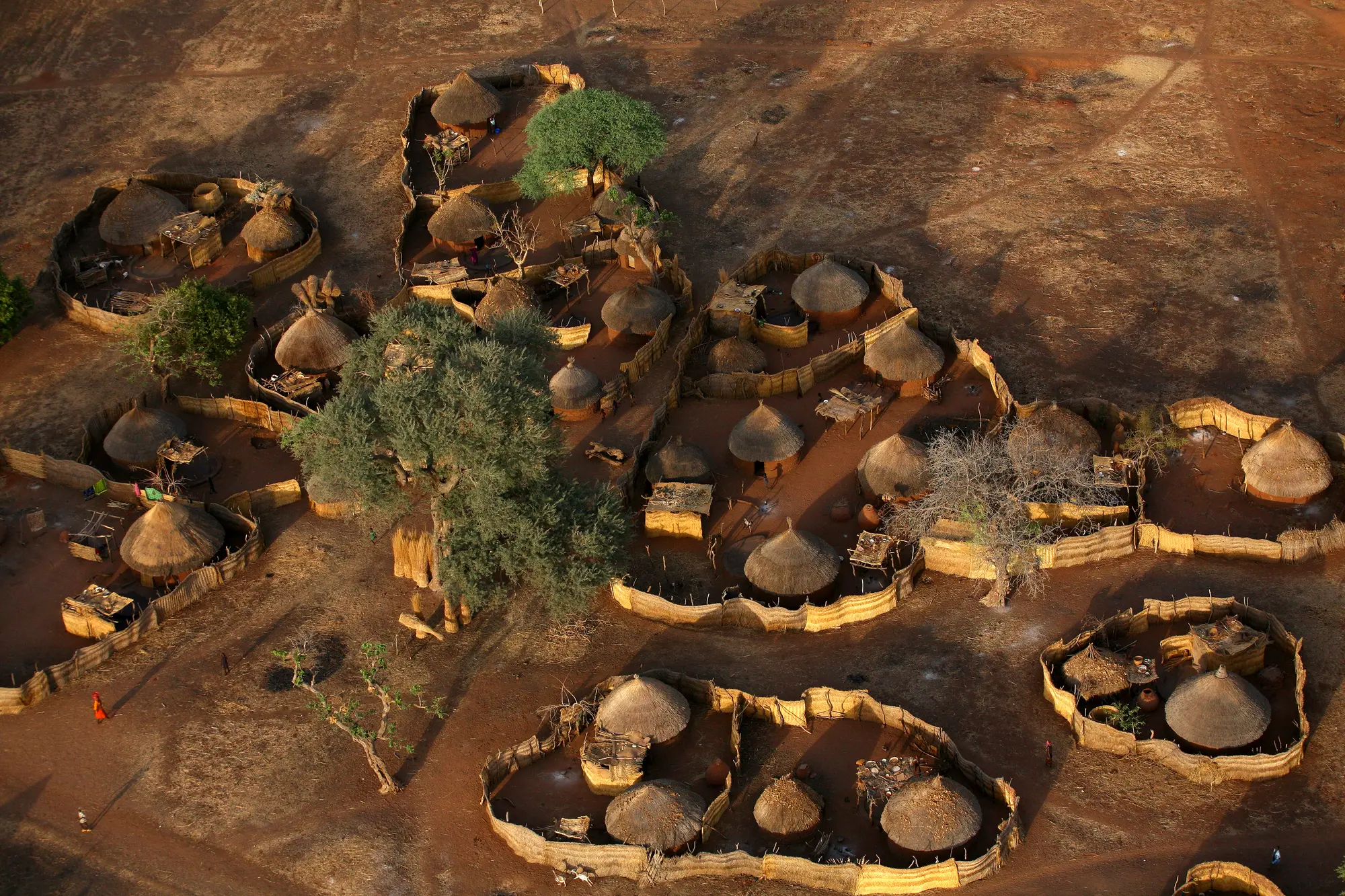
We cannot see a single pit from orbit. We can see what it grows.
One farm, one score a year.
After each rainy season Jiri reads every farm from satellite images: how much ground stays green, for how long, and how many trees keep their canopy. The score sets the payment.
74/100
Green score, 2026+6 on 2025
- 201512
- 201618
- 201721
- 201829
- 201934
- 202041
- 202137
- 202248
- 202355
- 202461
- 202568
- 202674
Checked by a field agent before payment.
Visit, 14 Oct 2026. 38 trees counted on the ground, 38 on the image.
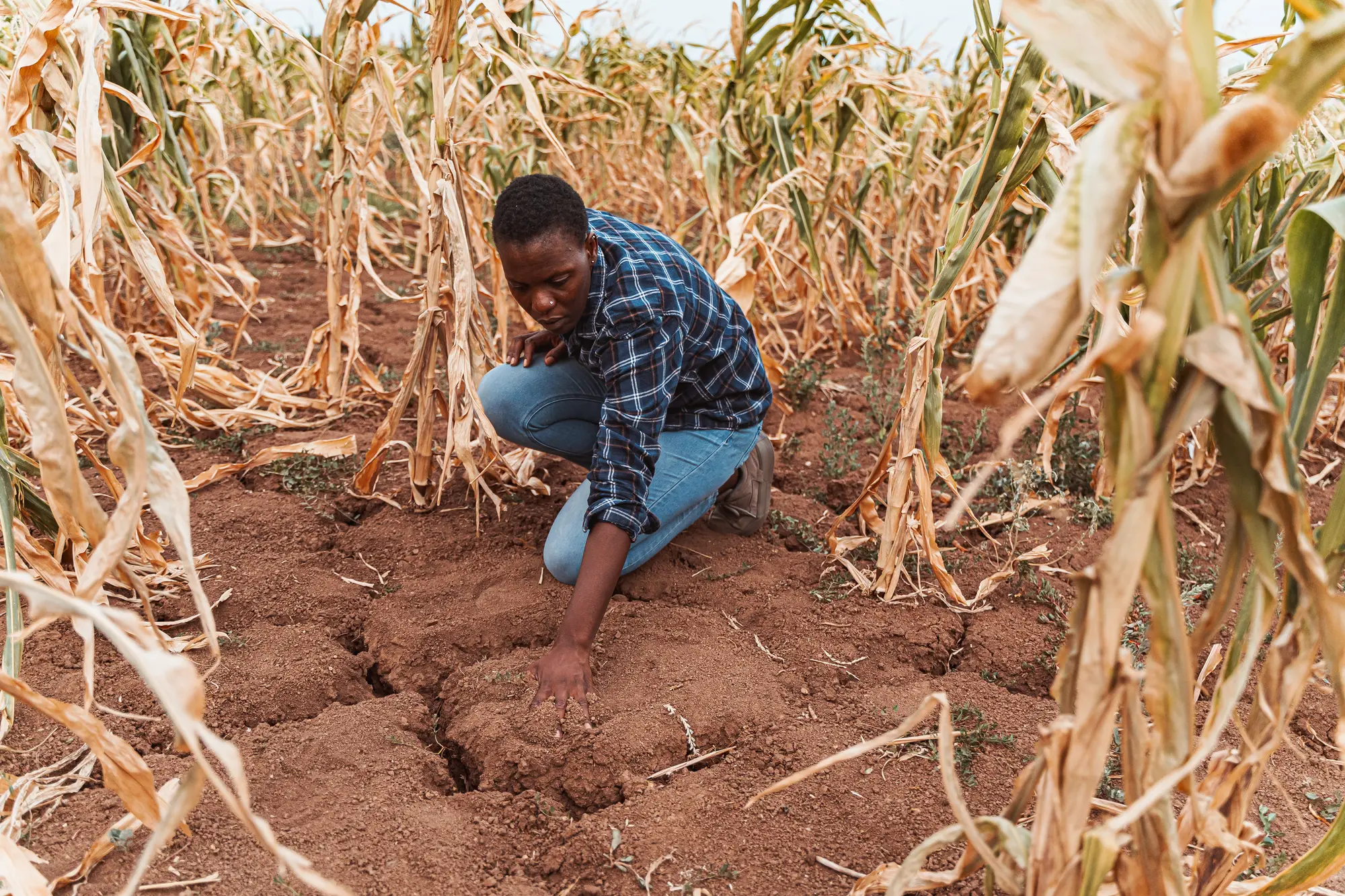
“My father dug the pits. I kept the trees that came up in them. Now the trees pay.”
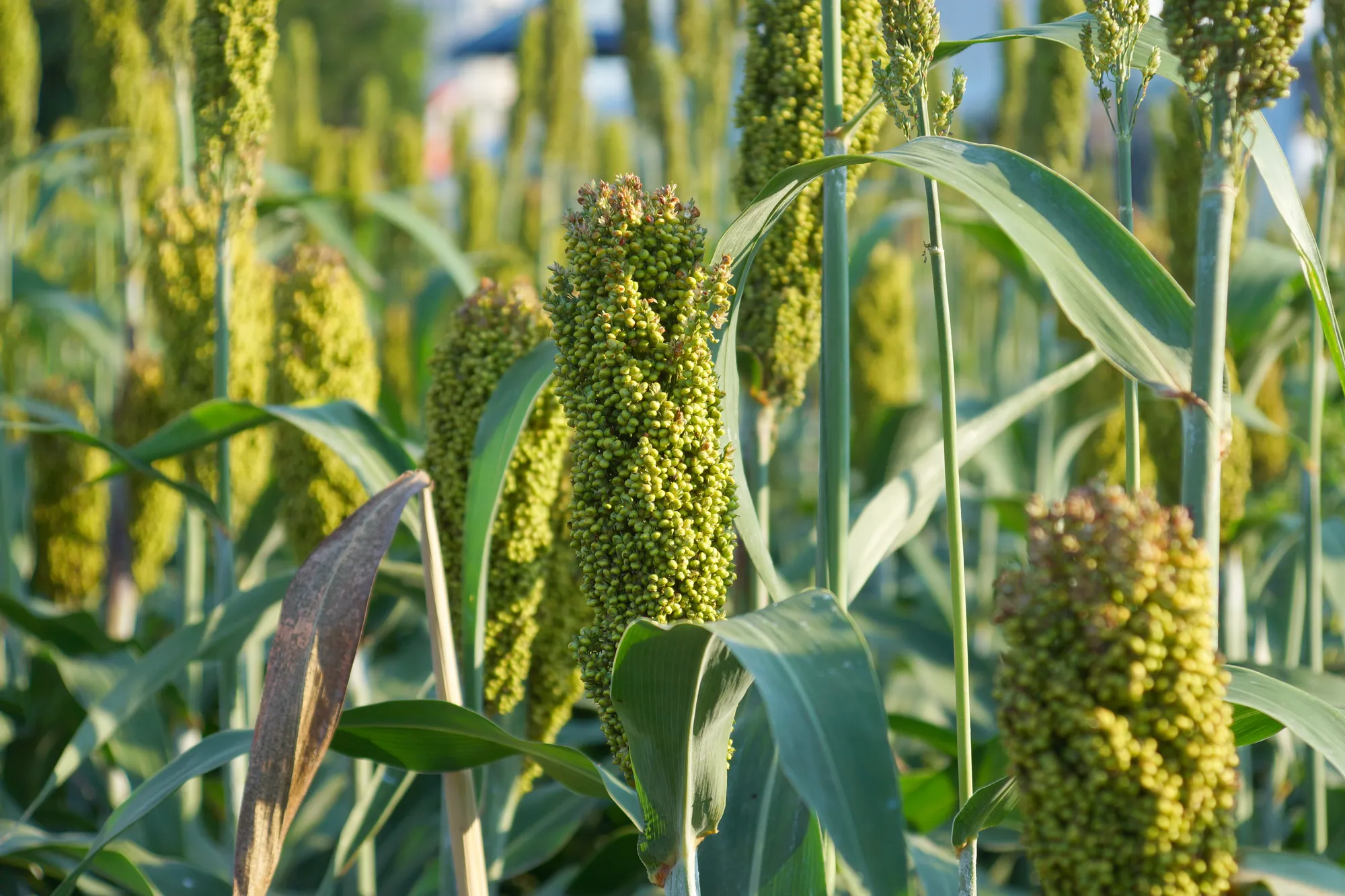
Paid every harvest.
Once the agent's count matches the image, the payment goes to your phone by mobile money, in FCFA. No bank account, no trip to town.
38 500FCFA
Received from JIRI for harvest 2026. Green score 74, 38 trees kept. Ref JR26-0417. New balance 61 250 FCFA.