Teaching a robotto cross the road.
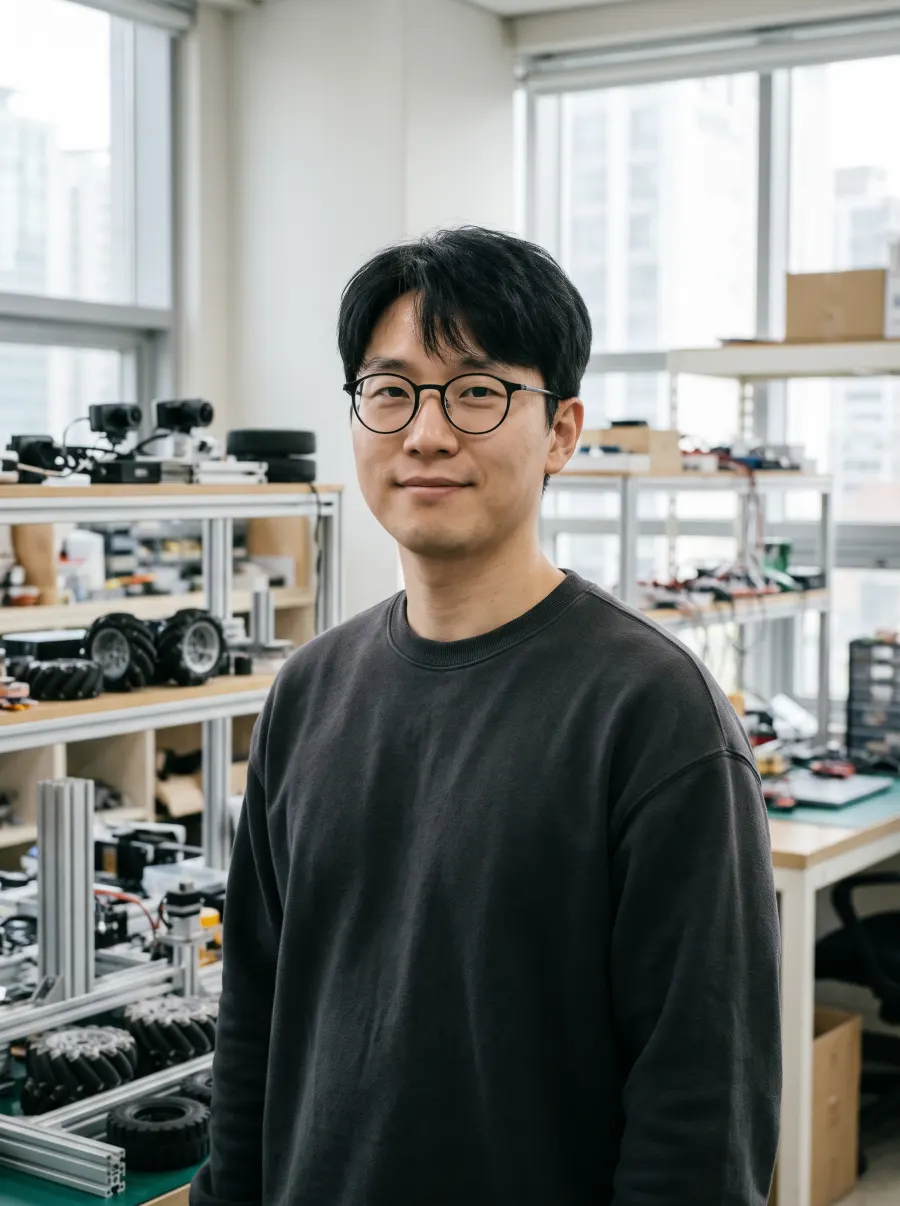
Daniel SeoPerception lead, Gilmok Robotics, Seoul
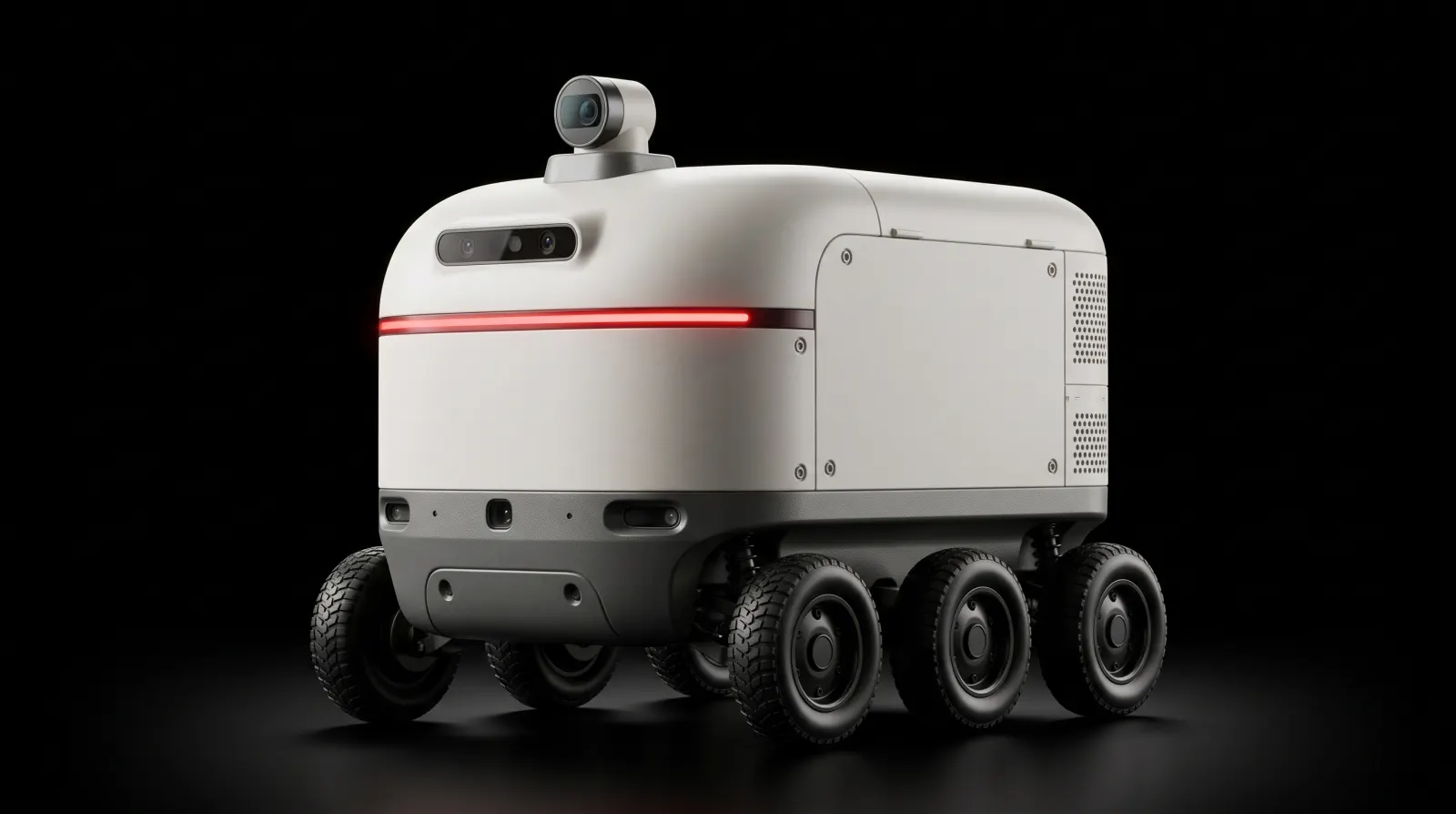
I build the vision system of a sidewalk delivery robot: stereo depth, detection and tracking, so it can read a street the way people do and cross when it is safe.
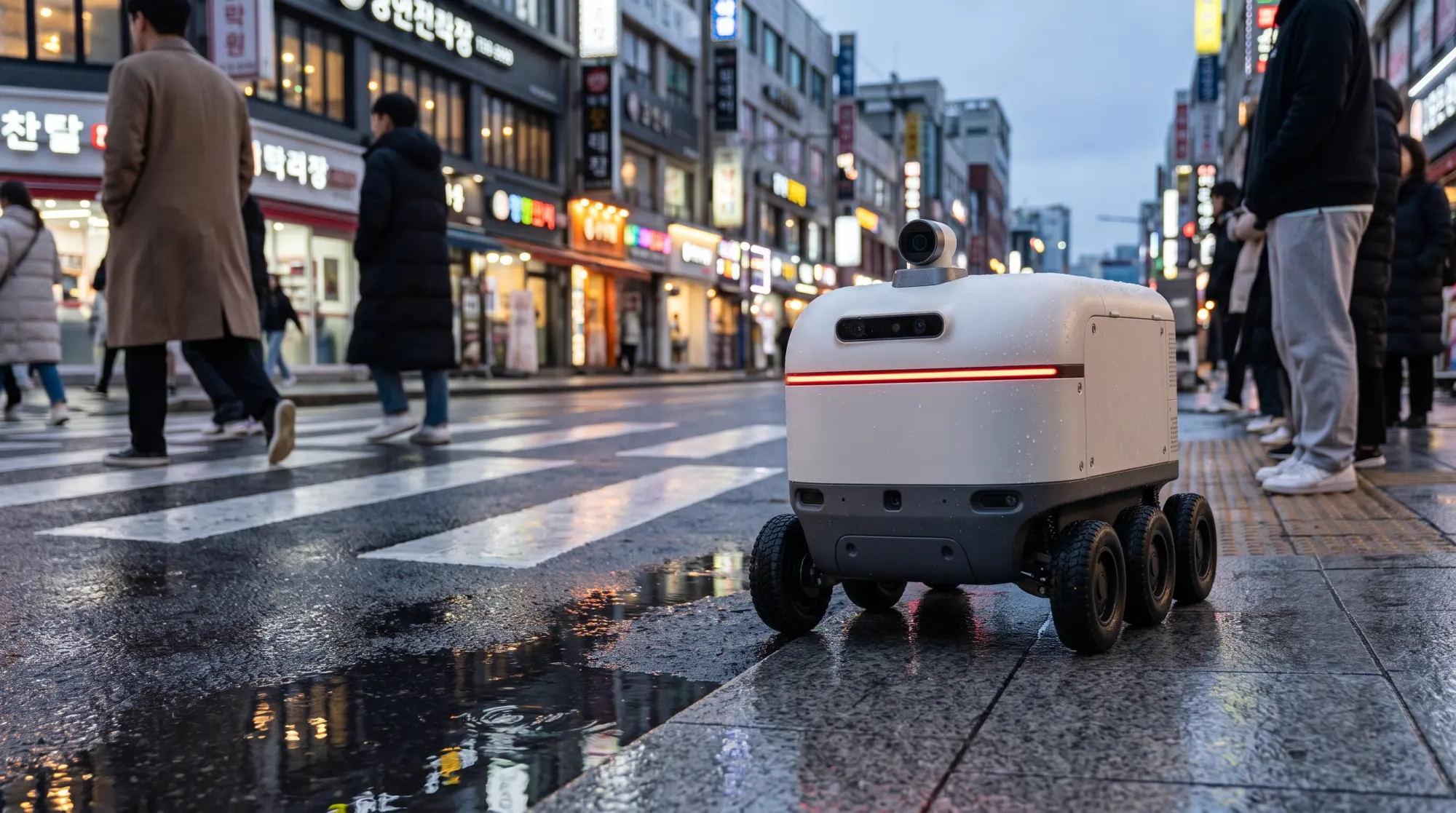
- What the robot doesIt reads each person at the kerb and predicts where they will be in the next three seconds. It waits for a gap in people, not for an empty road.
- What changedHesitations at crossings fell from 1 in 9 to 1 in 40 crossings after intent prediction shipped in 2024.
- Rule it never breaksBelow 0.8 confidence at a crossing it waits, and a remote operator can take over at any time.
- FiguresFrom field logs.
A scooter left across the kerb ramp.
Shared scooters get parked wherever the ride ends. Seen flat, the ramp looks blocked. In depth, there is often a gap the robot can use.
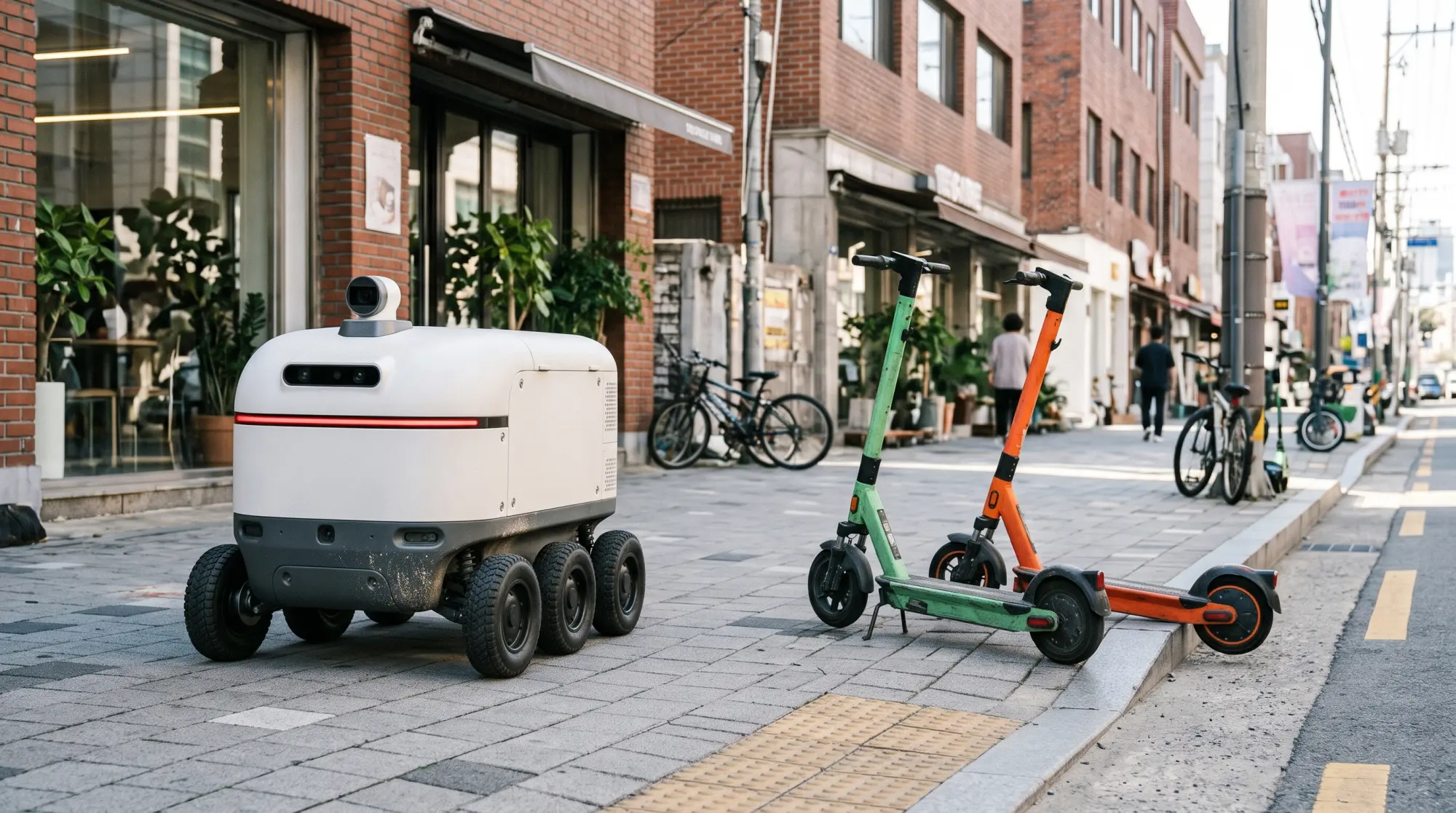
- What the robot doesBuilds a free-space map from stereo depth and finds the 66 cm it needs to pass. If there is no gap, it waits and asks a remote operator.
- What changedRemote help requests per 100 km fell from 9.1 to 2.4 once free space replaced flat detection boxes.
Puddles are not holes.
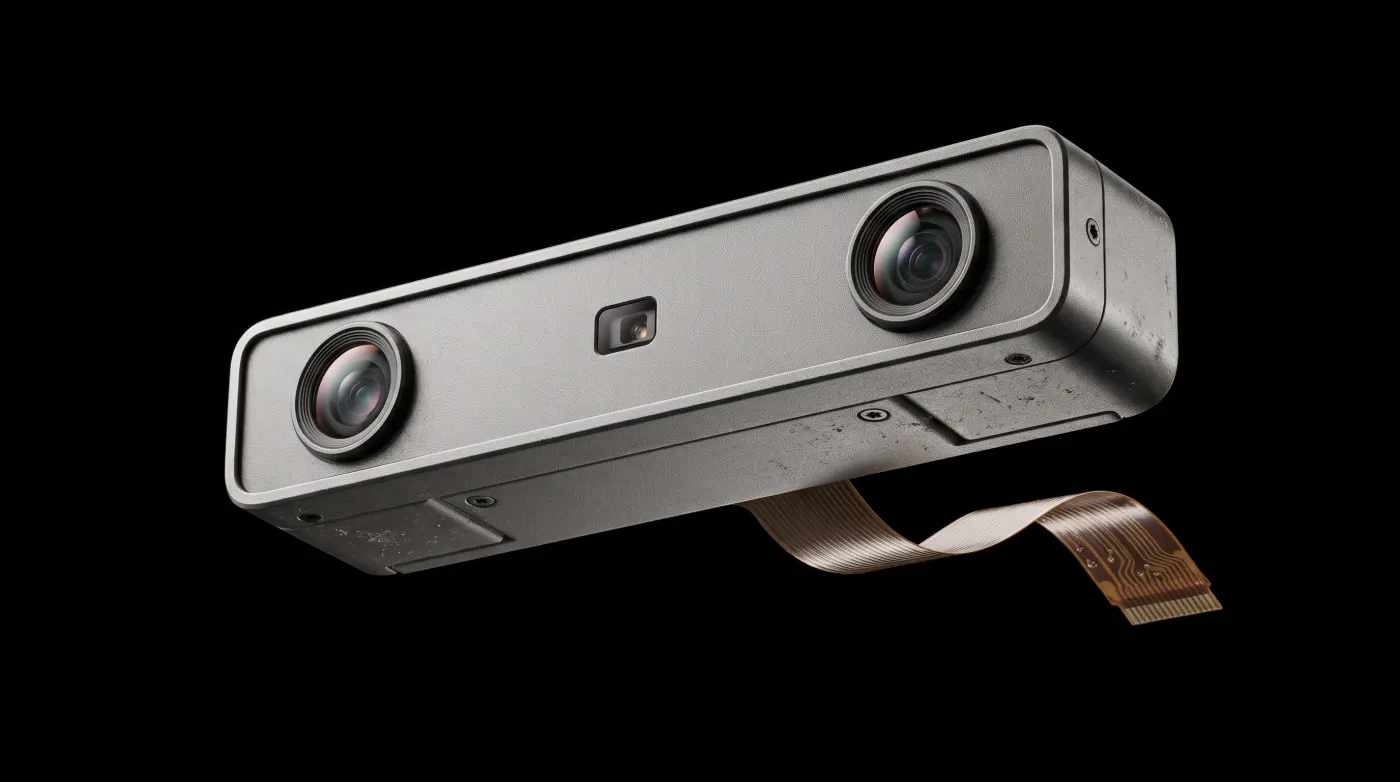
At night, wet asphalt mirrors every shop sign. Stereo depth used to read those reflections as holes a metre deep, and the robot stopped for puddles.
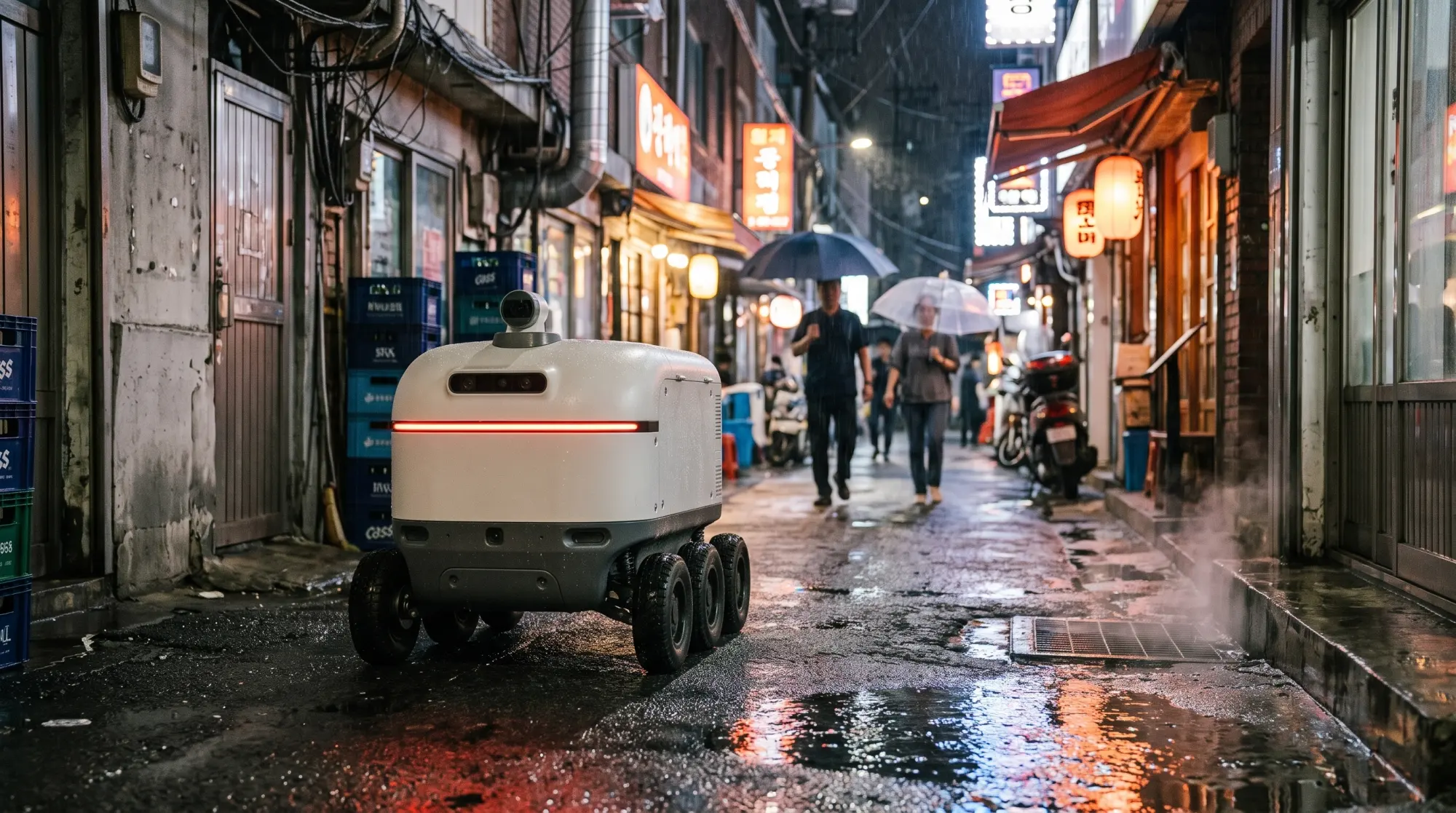
- What the robot doesChecks stereo depth against lidar returns and the ground plane. When they disagree on flat ground, the ground wins.
- What changedFalse stops at night fell 71 percent across the 2025 rainy season.
- Also fixedUmbrellas used to merge two walkers into one track; the tracker now splits them by what it sees below the umbrella line.
What it still cannot do
It cannot read a police officer's hand signals. At road works and accidents the robot stops, says so on its screen, and a person drives it remotely until it is clear.
I build the robot's eyes, then I go out and check them.
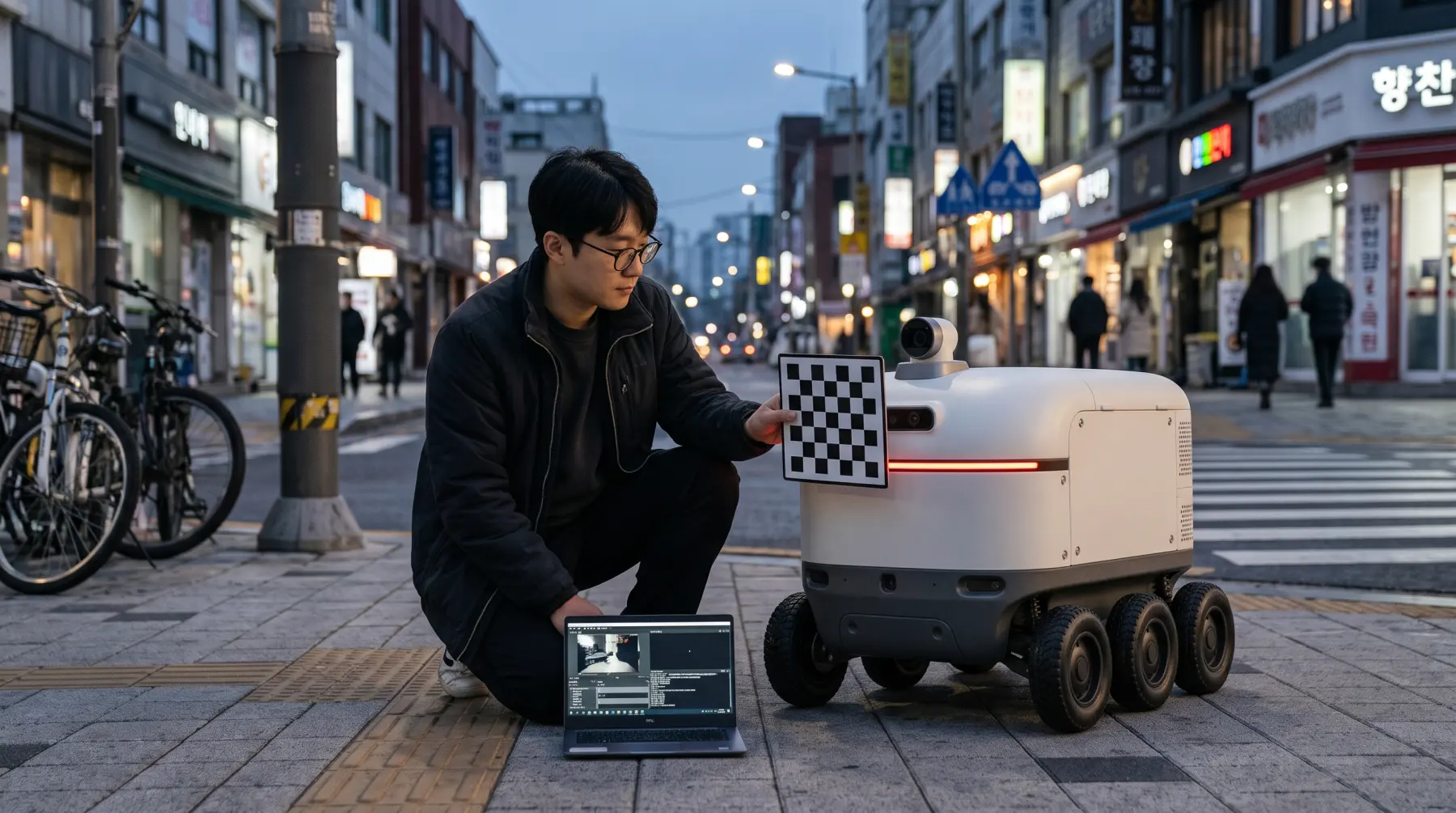
I lead perception at Gilmok Robotics in Seoul, a team of five. Our stack is called Nunchi, the Korean word for reading a room, because that is the job: read a street and act politely in it.
Calibration used to take an hour in the lab. Now the robot recalibrates on the kerb every morning in about four minutes, against a checkerboard and a lidar target, and leaves only when reprojection error is under 0.3 px.
Now: training depth on our own rain recordings from Seoul, at night and in the wet. Tools: PyTorch for training, TensorRT on the robot, ROS 2 for the plumbing.
Path
- 2021 to nowPerception leadGilmok Robotics, Seoul
- 2018 to 2021Computer vision engineerSaebyeok Mobility, Pangyo
- 2018MS, RoboticsKAIST
- 2016BS, Electrical EngineeringHanyang University
Talks and writing
- 2025Puddles are not holesTalk on night depth for sidewalk robots
- 2024Nunchi: reading pedestrians at crossingsWorkshop paper
- 2024Calibrating on the kerbTalk and write-up
Build a question.
Pick a topic, what you want to know and a detail, or type it. The answer lands as a row on the robot's spec sheet and marks the part it concerns.
Answers from Daniel's notes. Scripted replies, not Daniel.
- No rows yet. Build a question above, or try “What changed at crossings?”
Hiring conversations, or a lab visit.
The team is hiring a perception engineer and a data engineer in Seoul. Lab visits are on Thursday afternoons in Seongsu-dong, where you can watch the morning recordings and ride along on a test loop.
REQUEST GM-0000 LOGGED
Thank you.
Daniel will reply within two working days.